Introduction
Weeds are one of the most persistent problems in agriculture, gardening, and land management. They compete with crops and useful plants for water, sunlight, and nutrients, often reducing productivity and affecting the overall appearance of land. To manage this issue effectively, professionals rely on strong herbicides, and one of the widely used solutions is Rosate TF Weedkiller, also known as Rosate 360 TF.
Rosate TF Weedkiller is a glyphosate-based systemic herbicide designed to remove a wide range of unwanted vegetation. It is commonly used in farming, landscaping, industrial maintenance, and roadside vegetation control. Unlike selective herbicides that target only specific weeds, this product is non-selective, meaning it can affect almost any green plant it touches.
This article provides a complete explanation of Rosate TF, including its working process, applications, safety measures, environmental concerns, and common misunderstandings. It also clarifies why treating chemical products like human profiles is incorrect.
What Rosate TF Actually Is
Rosate TF Weedkiller is a commercial herbicide formulated with glyphosate at a concentration of 360 g/L. Glyphosate is one of the most widely used weed control chemicals globally and is known for its ability to eliminate plants by disrupting their internal biological systems.
This product is classified as a systemic herbicide, meaning it does not only affect the surface of the plant but travels inside its structure. Once absorbed, it spreads throughout the plant and interferes with essential growth functions.
Rosate TF Weedkiller is commonly applied in agriculture for field preparation, in forestry for controlling invasive plants, in industrial zones for land maintenance, and in public infrastructure areas like railways and roadsides. Its effectiveness lies in its ability to eliminate both annual and deep-rooted perennial weeds.
How Rosate TF Works Inside Plants
The working mechanism of Rosate TF Weedkiller is what makes it highly effective in weed management. When sprayed on leaves, it is absorbed into the plant and moves through its vascular system, reaching every part including the roots.
It works by blocking the shikimic acid pathway, which plants need to produce essential amino acids for survival. Without this process, the plant cannot maintain growth or structure.
After application of Rosate TF Weedkiller, visible symptoms appear gradually. Leaves begin to turn yellow, growth slows, and the plant weakens before eventually dying completely from the roots. This internal destruction ensures long-term weed control compared to surface-only treatments.
| Category | Details |
|---|---|
| Name | Rosate TF Weedkiller (Rosate 360 TF) |
| Type | Systemic non-selective herbicide |
| Active Ingredient | Glyphosate 360 g/L |
| Function | Kills unwanted weeds and vegetation from root system |
| Usage Areas | Agriculture, landscaping, forestry, roadsides, industrial land |
| Mode of Action | Absorbed through leaves → moves to roots → blocks plant growth system |
| Application Method | Diluted with water and sprayed on actively growing weeds |
| Effect Time | Visible results in a few days; full kill in 1–3 weeks |
| Selectivity | Non-selective (affects most green plants) |
| Weather Condition Needed | Dry weather, no rain for several hours after spraying |
| Safety Level | Chemical product – requires protective handling |
| Environmental Note | Can affect soil and non-target plants if misused |
| Storage | Cool, dry place away from sunlight and food items |
| Form | Liquid concentrate |
| Common Use | Field clearing, weed control, site preparation |
Common Uses and Applications
Rosate TF Weedkiller is used across multiple industries due to its versatility. In agriculture, it is applied before planting crops to clear fields of existing weeds, ensuring a clean starting environment for cultivation.
In landscaping and gardening, it helps maintain clean outdoor areas such as parks, pathways, and decorative spaces by preventing unwanted plant growth. In industrial environments, it is used to manage vegetation around factories, railways, storage sites, and power infrastructure where clear land is necessary for safety.
It is also widely used in forestry management to control invasive plant species that may threaten native trees or newly planted forests. Because Rosate TF Weedkiller is non-selective, careful application is essential to avoid damaging desirable plants.
Proper Application Method
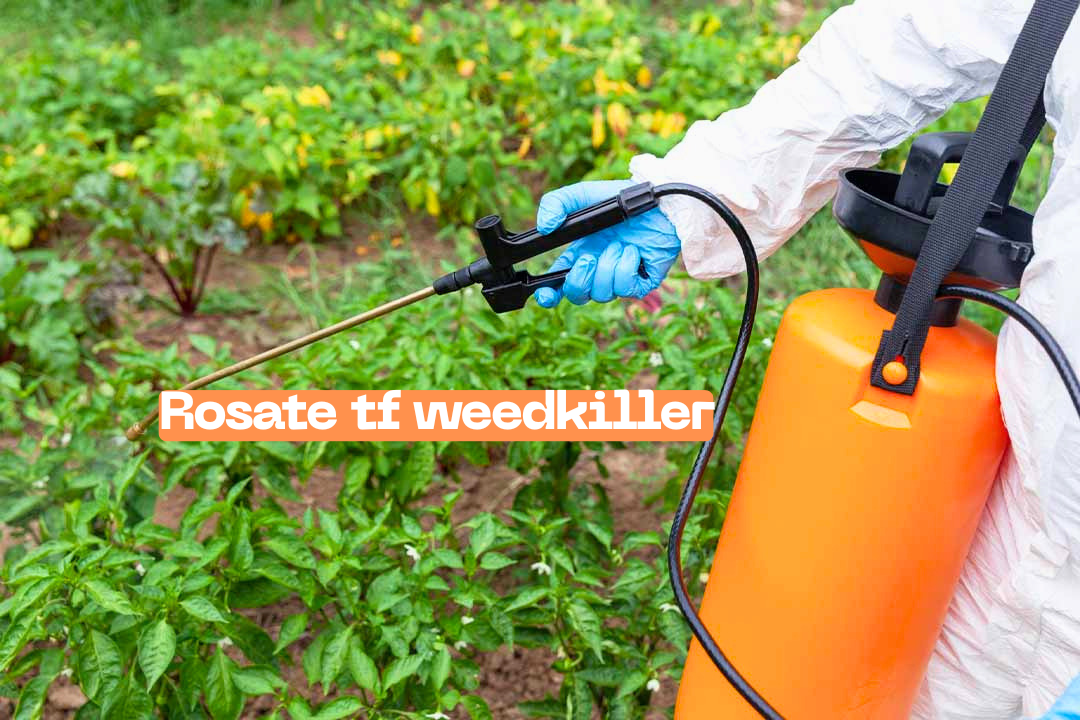
The effectiveness of Rosate TF Weedkiller depends heavily on correct usage. It is usually diluted with water according to manufacturer instructions and then sprayed evenly on target weeds.
Best results are achieved when weeds are actively growing, as this allows better absorption of the chemical. Weather conditions also play a major role. Dry conditions are ideal, and rainfall shortly after application can reduce effectiveness.
It is important to avoid applying Rosate TF Weedkiller during extreme weather such as drought or frost because stressed plants may not absorb the herbicide properly. Careful targeting ensures that surrounding plants are not accidentally affected.
Safety and Responsible Use
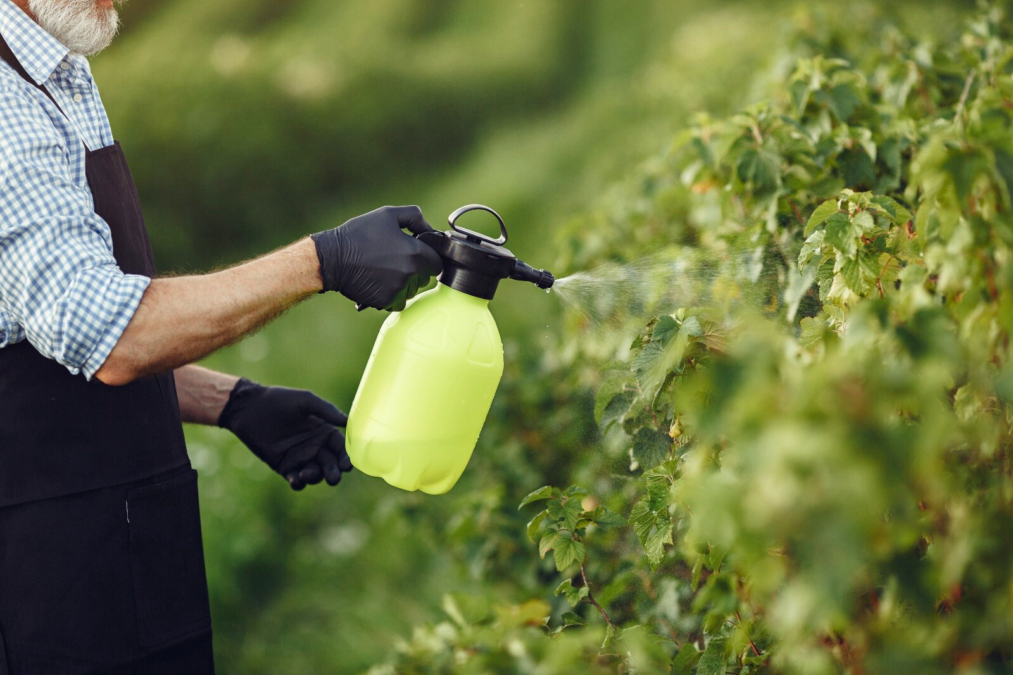
Although Rosate TF Weedkiller is effective, it is still a chemical product and must be handled with care. Users should wear protective gloves, masks, and eye protection to avoid direct contact or inhalation.
It should never be used near water sources because contamination can harm aquatic ecosystems. Children and animals must be kept away from treated areas until it is safe. After use, proper cleaning of tools and hands is necessary.
Storage also plays an important role. Rosate TF Weedkiller should be kept in a sealed container, away from heat, sunlight, and food items to prevent accidental exposure or degradation.
Environmental Impact
Like many glyphosate-based herbicides, Rosate TF Weedkiller has been widely discussed in environmental studies. One concern is its non-selective nature, which means it can damage beneficial plants along with weeds.
Another concern relates to soil microorganisms that help maintain soil health. While glyphosate generally breaks down over time, misuse or overuse of Rosate TF Weedkiller can affect soil balance and ecosystem health.
Despite these concerns, it is still widely used in agriculture because of its efficiency in large-scale weed control. However, responsible and limited use is strongly recommended.
Misunderstanding About Profile Information
A common misunderstanding is treating Rosate TF Weedkiller like a human or celebrity. This leads to searches for details such as age, height, family, net worth, lifestyle, or social media accounts.
These types of information do not exist because Rosate TF Weedkiller is not a living being. It is a manufactured chemical product designed only for weed control. Therefore, it has no personal identity, relationships, or social presence.
Alternatives to Rosate TF
There are several alternatives to Rosate TF Weedkiller, depending on the level of weed control required. Manual removal is one option, especially in small gardens, where weeds can be pulled out physically.
Organic herbicides made from natural ingredients such as vinegar-based solutions are also used, although they are generally less powerful. Mulching is another method that prevents weed growth by blocking sunlight from reaching the soil.
Selective herbicides are also available, targeting specific weeds while protecting useful plants. Each method offers different advantages depending on the situation.
Advantages and Limitations
Rosate TF Weedkiller is popular because it provides fast and effective weed control, especially in large areas where manual labor is not practical. It also delivers long-lasting results by killing weeds from the root system.
However, it has limitations. It cannot distinguish between weeds and useful plants, so accidental damage can occur if not applied carefully. Some weed species have also developed resistance over time, making them harder to control.
Weather conditions can also affect performance, especially if rain occurs shortly after application. These factors highlight the importance of proper usage and timing.
Conclusion
Rosate TF Weedkiller, also known as Rosate 360 TF, is a powerful systemic herbicide widely used in agriculture, landscaping, and industrial maintenance. It works by eliminating weeds from within the plant system, making it highly effective for large-scale vegetation control.
However, it must always be used responsibly due to its non-selective nature and environmental impact. It is important to remember that Rosate TF Weedkiller is not a living entity and does not have personal characteristics such as age, family, height, net worth, or social media presence.
When used correctly, Rosate TF Weedkiller remains a valuable tool for maintaining clean, controlled, and productive land areas.