Introduction
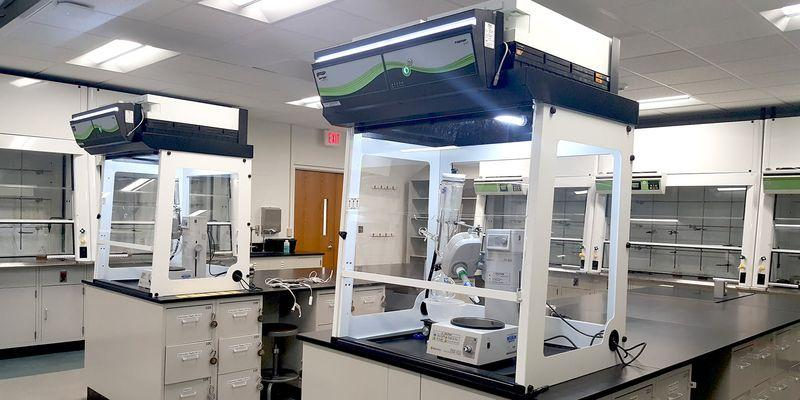
Modern laboratories rely on advanced safety equipment to protect researchers, students, and technicians from hazardous chemical exposure. Among the most important pieces of laboratory safety equipment is the ductless fume hood, a practical solution designed to capture and filter harmful fumes before they reach the user. Unlike traditional ventilation systems that require extensive ductwork, this type of hood filters contaminated air through specialised filters and safely returns purified air back into the laboratory.
As laboratories continue to seek energy-efficient and flexible solutions, ductless systems have become increasingly popular in educational institutions, research centres, pharmaceutical companies, hospitals, and industrial laboratories. Their simple installation, lower operating costs, and reliable performance make them an attractive option for facilities that handle suitable chemicals. Understanding how these systems work, where they are used, and how to maintain them properly helps laboratories create a safer working environment while reducing operational expenses.
What Is a Ductless Fume Hood?
A ductless fume hood is a self-contained laboratory enclosure designed to protect users from hazardous chemical vapours, gases, and airborne particles. Instead of exhausting contaminated air outside the building through ductwork, the system passes the air through high-performance filters that remove harmful contaminants before releasing clean air back into the room.
These hoods are carefully engineered to maintain consistent airflow across the work surface, preventing dangerous fumes from escaping into the laboratory. Their effectiveness depends on selecting the correct filter type for the chemicals being used and replacing filters at the recommended intervals.
Bio Table
| Attribute | Details |
|---|---|
| Article Title | Ductless Fume Hood: The Complete Guide to Safe Laboratory Ventilation |
| Focus Keyword | ductless fume hood |
| Category | Laboratory Equipment |
| Industry | Laboratory & Scientific Equipment |
| Purpose | To explain the features, benefits, applications, and safety considerations of ductless fume hoods |
| Suitable For | Laboratories, Universities, Schools, Hospitals, Research Centres, Pharmaceutical Companies |
How It Works
The operating principle is straightforward but highly effective. A built-in fan continuously draws contaminated air away from the user and into the filtration chamber. The air first passes through activated carbon filters that absorb chemical vapours and organic compounds. If the application involves powders or fine particles, HEPA filters capture microscopic contaminants before the purified air is safely recirculated into the laboratory.
Many modern systems also include electronic airflow monitoring, filter saturation alarms, and digital control panels that provide real-time performance information. These features help ensure that the equipment continues operating safely throughout its service life.
Main Components
Every quality laboratory hood contains several important components working together to provide protection. The transparent front sash acts as a physical barrier while allowing clear visibility of ongoing work. The chemically resistant work surface supports laboratory procedures without being damaged by spills or corrosive substances.
Inside the unit, an energy-efficient blower creates controlled airflow that directs hazardous vapours towards the filtration system. Activated carbon filters remove chemical gases, while optional HEPA filters capture fine airborne particles. Modern models often include LED lighting, airflow sensors, electronic controls, and filter monitoring systems that improve both safety and convenience.
Types of Ductless Systems
Laboratories use different filtration systems depending on the nature of their work. Carbon-filter models are suitable for handling solvents, acids, alcohols, and many common laboratory chemicals. HEPA-filter units are designed for applications involving powders, dust, and non-volatile particulates.
Some laboratories require combined filtration systems that use both activated carbon and HEPA filters to provide broader protection. Compact educational models are commonly found in schools and universities where only small quantities of low-risk chemicals are used during practical experiments. Portable units are also available for laboratories requiring flexibility and temporary workstations.
Benefits for Modern Laboratories
One of the biggest advantages of using a ductless fume hood is the ease of installation. Since no external ductwork is required, laboratories can avoid expensive building modifications and lengthy construction projects. Installation can often be completed quickly, allowing facilities to begin using the equipment with minimal disruption.
Energy efficiency is another significant benefit. Traditional ducted systems continuously exhaust conditioned indoor air, increasing heating and cooling costs throughout the year. Because filtered air is recirculated indoors, ductless systems help laboratories reduce energy consumption while maintaining comfortable indoor temperatures.
Their portability offers another practical advantage. Many units can be relocated when laboratory layouts change or new workstations are introduced. This flexibility makes them particularly valuable for research facilities where laboratory configurations evolve over time.
Noise levels are generally lower than those produced by many conventional ventilation systems, creating a more comfortable working environment for laboratory personnel. Reduced maintenance requirements also contribute to lower long-term operating costs, as there is no ductwork requiring inspection or cleaning.
Common Applications
These filtration systems are used across a wide variety of scientific and industrial environments. Universities use them during chemistry teaching and research projects. Pharmaceutical companies rely on them for product development and quality testing. Hospitals and medical laboratories use them during diagnostic procedures involving chemicals.
Food and beverage laboratories benefit from their ability to safely handle flavouring compounds and testing chemicals. Cosmetic manufacturers use them while developing formulations containing volatile ingredients. Environmental laboratories perform water, soil, and air analysis using these systems to protect staff from potentially hazardous substances.
Electronics manufacturers and industrial quality-control laboratories also incorporate these hoods into testing procedures where chemical vapours may be generated.
Filter Technology
The performance of any filtration system depends largely on its filters. Activated carbon filters contain millions of microscopic pores that adsorb chemical vapours and odours. Different carbon formulations are available for different chemical families, making proper filter selection essential.
HEPA filters are designed to remove extremely fine airborne particles with very high efficiency. They are commonly used where powders, aerosols, or particulate contaminants are present. Some advanced laboratory systems combine both technologies, providing protection against gases and particulates within the same enclosure.
Regular monitoring ensures filters continue performing as intended. Once filters become saturated, they must be replaced promptly to maintain safe operation.
Safety Considerations
Although highly effective, these laboratory systems must always be used correctly. Laboratories should verify that the intended chemicals are compatible with the installed filters before beginning any procedure. Some highly toxic substances, radioactive materials, and chemicals that cannot be effectively adsorbed by activated carbon require alternative ventilation methods.
Users should avoid placing large equipment directly in front of airflow openings, as this may reduce containment performance. Keeping the front sash at the recommended operating height also helps maintain proper airflow patterns throughout the workspace.
Personal protective equipment remains important even when laboratory ventilation systems are in use. Gloves, eye protection, and laboratory coats provide additional layers of protection against accidental exposure.
Maintenance Requirements
Routine maintenance plays a vital role in ensuring reliable performance. Laboratory personnel should inspect airflow indicators before each use and confirm that alarms and monitoring systems are functioning correctly. The work surface should be cleaned regularly using appropriate cleaning agents that do not damage chemical-resistant materials.
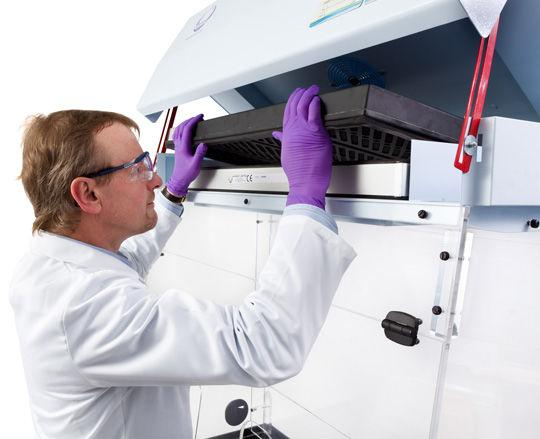
Filter replacement intervals vary depending on chemical usage, operating hours, and filter capacity. Many manufacturers provide monitoring systems that indicate when filters are approaching saturation. Following these recommendations helps maintain both user safety and filtration efficiency.
Annual performance testing by qualified technicians is recommended to verify airflow rates, containment performance, and overall system integrity.
Ductless and Ducted Systems Compared
Choosing between ductless and ducted laboratory ventilation depends on the specific application. Ductless systems offer easier installation, lower energy consumption, and greater flexibility because they do not require external exhaust infrastructure. They are particularly suitable for laboratories using compatible chemicals in moderate quantities.
Ducted systems remain the preferred choice for procedures involving large volumes of hazardous chemicals, highly toxic substances, or applications requiring complete exhaust to the outside environment. Each solution has its strengths, and selecting the appropriate system requires careful assessment of laboratory activities, chemical hazards, and regulatory requirements.
Choosing the Right Equipment
Selecting the correct laboratory hood begins with understanding the chemicals and procedures involved. Laboratories should evaluate airflow requirements, filter compatibility, workspace dimensions, expected chemical volumes, and future operational needs. Choosing equipment with reliable monitoring systems, quality construction, and certified safety performance helps ensure long-term protection and dependable operation.
Consulting laboratory safety professionals or equipment manufacturers can simplify the selection process and ensure compliance with local safety regulations and industry standards.
Conclusion
A ductless fume hood provides laboratories with a practical, energy-efficient, and flexible solution for protecting personnel from hazardous airborne contaminants. By combining advanced filtration technology with controlled airflow, these systems create a safer working environment without requiring expensive ductwork or complex installation. Their growing popularity reflects the increasing demand for sustainable laboratory equipment that balances safety, performance, and operational efficiency.
When selected correctly, maintained regularly, and used with compatible chemicals, a ductless filtration system delivers reliable protection for researchers, educators, healthcare professionals, and industrial laboratories alike. As laboratory technology continues to evolve, these systems will remain an important part of modern scientific environments, helping organisations maintain high safety standards while supporting productive and efficient research.
FAQs
Q: What is a ductless fume hood?
A: It is a laboratory enclosure that filters hazardous fumes through specialised filters and recirculates clean air back into the room.
Q: How does a ductless fume hood work?
A: It pulls contaminated air through activated carbon or HEPA filters before safely returning filtered air to the laboratory.
Q: What are the main benefits of a ductless fume hood?
A: It offers easy installation, energy efficiency, lower operating costs, and flexible placement without external ductwork.
Q: Can a ductless fume hood handle all chemicals?
A: No. It should only be used with chemicals that are compatible with the installed filtration system.
Q: How often should filters be replaced?
A: Filter replacement depends on chemical use and manufacturer recommendations, but regular monitoring is essential for safe operation.