Introduction
An EDTA blood bottle is one of the most frequently used blood collection tubes in medical laboratories around the world. Whether a patient is having a routine health check, a complete blood count, or specialised blood testing, there is a high chance that this purple-capped tube will be part of the process. Although it appears to be a simple container, it plays a critical role in ensuring laboratory results are accurate and reliable.
The tube contains a chemical called Ethylenediaminetetraacetic Acid (EDTA), which prevents blood from clotting after it has been collected. This allows laboratory professionals to examine blood cells in their natural condition. Without EDTA, many common blood tests would become unreliable because clotted blood cannot provide accurate cell counts or detailed microscopic examinations.
Understanding how this tube works helps patients, laboratory technicians, nursing students, and healthcare professionals appreciate why the correct blood collection tube is so important. This guide explains everything you need to know, from how EDTA functions to its advantages, limitations, and proper handling.
What Is an EDTA Blood Bottle?
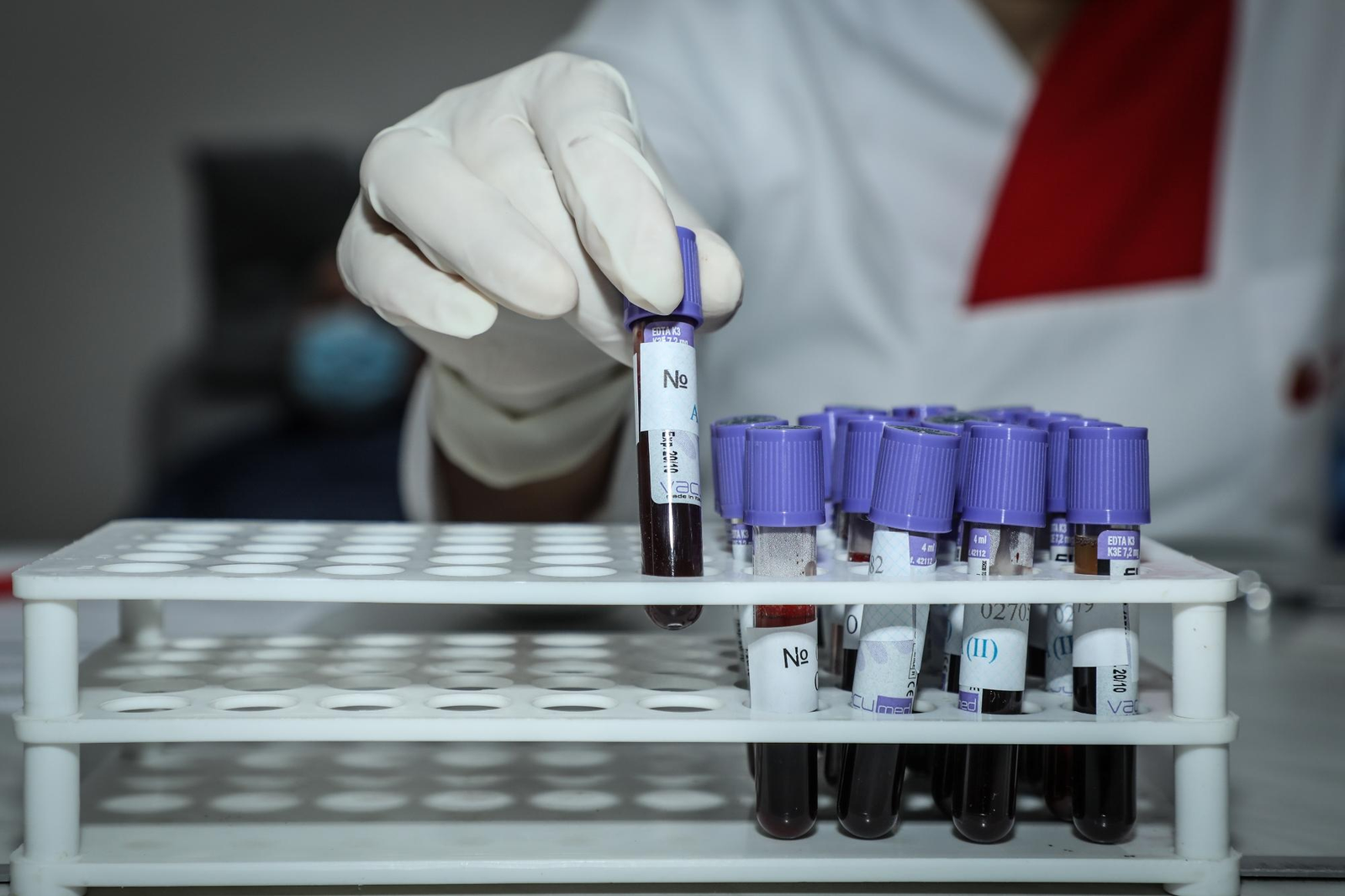
An EDTA blood bottle is a sterile vacuum blood collection tube containing a measured amount of EDTA anticoagulant. Its main purpose is to keep blood in a liquid state after collection by preventing the natural clotting process.
Unlike serum tubes, which allow blood to clot before testing, an EDTA tube preserves whole blood. This makes it ideal for laboratory examinations that require intact blood cells. The vacuum inside the tube automatically draws the correct amount of blood during collection, ensuring the proper ratio between blood and anticoagulant.
Most laboratories identify this tube by its distinctive purple or lavender cap, although some blood bank departments use pink-capped EDTA tubes for compatibility testing.
Bio Table
| Field | Details |
|---|---|
| Article Topic | EDTA Blood Bottle |
| Also Known As | EDTA Blood Collection Tube, Lavender Top Tube, Purple Top Tube |
| Category | Medical Laboratory Equipment |
| Purpose | Prevents blood clotting during sample collection |
| Anticoagulant | Ethylenediaminetetraacetic Acid (EDTA) |
| Cap Colour | Purple/Lavender (Most Common), Pink (Blood Bank) |
| Primary Use | Hematology and Blood Analysis |
| Common Tests | CBC, FBC, HbA1c, Blood Smear, Platelet Count, Blood Grouping |
| Sample Type | Whole Blood |
| Used By | Hospitals, Clinics, Diagnostic Laboratories, Blood Banks |
| Suitable For | Blood Cell Preservation and Accurate Laboratory Testing |
Understanding EDTA
EDTA stands for Ethylenediaminetetraacetic Acid, a chemical compound widely used in medical laboratories because of its ability to bind calcium ions.
Calcium is essential for blood clotting. When blood is collected into a tube containing EDTA, the chemical immediately binds with calcium, preventing the clotting cascade from starting. As a result, blood remains fluid, making it suitable for detailed laboratory analysis.
The amount of EDTA inside each tube is carefully controlled to ensure it preserves blood cells without damaging their structure. This balance is one of the reasons why EDTA has become the preferred anticoagulant for haematology testing.
Why EDTA Is Used in Blood Testing
Blood contains red blood cells, white blood cells, platelets, plasma, proteins, and many other components. Many laboratory tests require these cells to remain unchanged after collection.
When blood clots, blood cells become trapped inside the clot, making accurate measurement impossible. EDTA prevents this problem by keeping every blood cell suspended in plasma.
This preservation allows automated analysers and laboratory professionals to measure cell counts, examine cell shapes, detect infections, identify anaemia, and diagnose many blood disorders with excellent accuracy.
How an EDTA Tube Works
Immediately after blood enters the tube, EDTA mixes with the sample and removes free calcium ions from circulation. Since calcium is necessary for clot formation, clotting stops almost instantly.
Healthcare professionals gently invert the tube several times after collection to ensure the anticoagulant mixes evenly throughout the blood. This simple step prevents clot formation while protecting delicate blood cells from damage.
The preserved sample can then be transported safely to the laboratory for testing.
Common Tests Performed
Medical laboratories rely on EDTA tubes for a wide variety of investigations. One of the most common is the Complete Blood Count (CBC), which measures red blood cells, white blood cells, haemoglobin, haematocrit, and platelets.
These tubes are also used for Full Blood Count (FBC), blood smear preparation, malaria parasite detection, haemoglobin analysis, HbA1c testing in many laboratories, DNA testing, molecular diagnostics, and blood grouping procedures.
Because the blood cells remain intact, laboratory specialists can also examine abnormal cell shapes that help diagnose diseases such as leukaemia, sickle cell disease, and other haematological disorders.
Benefits in Modern Healthcare
The popularity of EDTA collection tubes comes from their ability to produce dependable laboratory results.
One of the greatest advantages is their excellent preservation of blood cell morphology. Red blood cells remain their normal size and shape, white blood cells maintain their internal structures, and platelets stay evenly distributed throughout the sample.
Another major benefit is the reduced likelihood of sample rejection. Properly collected EDTA samples rarely clot, which means fewer repeat blood collections and less discomfort for patients.
These tubes are also compatible with modern automated laboratory analysers, allowing hospitals to process thousands of blood samples every day with remarkable speed and consistency.
Collection Procedure
Collecting blood into the correct tube is an important part of laboratory quality control.
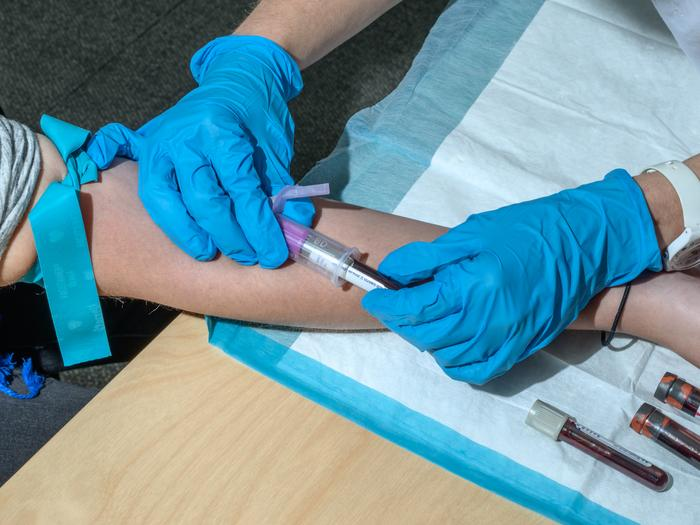
Before collection, healthcare staff confirm the patient’s identity and prepare sterile equipment. After selecting the correct vein, blood is drawn directly into the vacuum tube.
Once filled to the recommended level, the tube is removed and gently inverted eight to ten times. Shaking should always be avoided because it can damage blood cells and affect test results.
The sample is then labelled immediately with the patient’s details before being transported to the laboratory for analysis.
Importance of Proper Mixing
Many laboratory errors occur because blood samples are not mixed correctly after collection.
If the tube is left standing without inversion, tiny clots may begin to form before EDTA is evenly distributed. Even very small clots can interfere with automated analysers and produce inaccurate blood counts.
Gentle inversion ensures every part of the sample receives the anticoagulant, maintaining high-quality laboratory results.
Storage and Transport
Proper storage conditions help preserve sample quality until testing is performed.
Blood samples should be transported as soon as possible after collection. Excessive heat, freezing temperatures, or prolonged storage may alter blood cell characteristics and reduce result accuracy.
Most laboratories recommend keeping tubes upright during transport and avoiding unnecessary shaking.
Advantages Over Other Tubes
Different blood collection tubes are designed for different laboratory investigations.
Unlike serum tubes, which intentionally allow clot formation, EDTA tubes preserve whole blood. Compared with citrate tubes, EDTA provides better preservation of blood cell morphology, making it the preferred choice for haematology testing.
Its reliability, ease of use, and compatibility with laboratory equipment explain why it remains the international standard for complete blood counts.
Limitations
Although highly effective, EDTA is not suitable for every laboratory investigation.
Because it binds calcium and other metal ions, it cannot be used for tests measuring calcium, magnesium, iron in certain methods, or many routine biochemistry investigations. Using the wrong tube may lead to misleading laboratory results and unnecessary repeat testing.
For this reason, healthcare professionals always select blood collection tubes according to the specific test requested.
Safety Considerations
Blood collection always requires careful attention to infection prevention.
Healthcare workers use sterile, single-use needles and collection tubes for every patient. Gloves and protective equipment reduce the risk of exposure to bloodborne pathogens.
After testing, used tubes and needles are disposed of according to medical waste regulations to protect both healthcare staff and the environment.
Patients should never attempt to reuse blood collection equipment, even if it appears clean.
Quality Assurance in Laboratories
Accurate laboratory medicine depends on high-quality specimens. Even the most advanced analysers cannot compensate for poor sample collection.
Laboratories routinely inspect incoming blood samples for clots, incorrect filling volume, haemolysis, and labelling errors. Samples that fail quality standards are usually rejected because inaccurate results could affect patient treatment.
This emphasis on quality makes correct tube selection and proper handling essential throughout the healthcare system.
Who Uses These Tubes?
EDTA collection tubes are used daily by phlebotomists, nurses, doctors, laboratory scientists, pathologists, research institutions, diagnostic laboratories, blood banks, universities, veterinary clinics, and public health organisations.
From routine health screening to advanced genetic research, these tubes remain one of the most trusted tools in laboratory medicine.
Conclusion
The EDTA blood bottle is a simple yet essential component of modern healthcare. By preventing blood clotting while preserving blood cells in their natural state, it allows laboratories to perform accurate haematology tests that support diagnosis, treatment, and disease monitoring.
Its reliability, ease of use, and compatibility with automated laboratory systems have made it the preferred choice for blood cell analysis worldwide. When collected, mixed, transported, and stored correctly, it provides healthcare professionals with dependable information that helps guide patient care every day.
Although patients rarely notice the importance of the purple-topped tube during a blood test, its contribution to accurate medical diagnosis is invaluable. As laboratory technology continues to advance, the EDTA blood bottle will remain one of the most important tools in clinical diagnostics, ensuring healthcare providers receive precise results they can trust.