Introduction
Brain tumour misdiagnosis is a serious medical issue where a brain tumour is not identified correctly at the beginning or is mistaken for another health problem. The brain controls important body functions, so finding the correct cause of symptoms is extremely important. However, many early signs of a brain tumour can look similar to common conditions such as migraines, stress, infections, or other neurological problems.
A delayed diagnosis can affect treatment choices and create emotional pressure for patients and their families. Learning about the reasons behind diagnosis difficulties, common symptoms, and modern medical solutions can help people understand the importance of early medical attention.
What Is a Brain Tumour?
A brain tumour is an abnormal growth of cells that develops inside the brain or nearby tissues. Some tumours are benign, meaning they are not cancerous, while others are malignant and may grow faster and spread to surrounding areas.
Brain tumours can affect people of different ages, including children, young adults, and older adults. The symptoms often depend on where the tumour develops and how it affects nearby brain areas. Because every person may experience different signs, diagnosis can sometimes become challenging.
Medical professionals use detailed examinations and advanced tests to understand whether symptoms are caused by a tumour or another health condition.
Why Brain Tumour Diagnosis Can Be Delayed
One of the main reasons behind brain tumour misdiagnosis is that early symptoms may not appear unusual. Headaches, tiredness, dizziness, and difficulty concentrating are common problems that many people experience for different reasons.
A person may visit a healthcare professional with symptoms that seem like a simple migraine or stress-related issue. If symptoms continue, change over time, or become more severe, additional testing may be required to find the real cause.
Another challenge is that brain tumours are less common than many other conditions. Doctors often need to consider several possible explanations before reaching the correct diagnosis.
Common Symptoms People Should Notice
Brain tumour symptoms can be different for each person. Some common signs include frequent headaches, seizures, vision changes, problems with balance, weakness, and difficulty with speech.
Changes in memory, personality, or behaviour may also occur when certain parts of the brain are affected. These changes can sometimes be confused with emotional stress, anxiety, or other health concerns.
A single symptom does not always mean a person has a brain tumour. However, unusual symptoms that continue for a long time or become worse should be discussed with a qualified medical professional.
Importance of Medical Tests
Modern medical tests help doctors identify brain problems more accurately. MRI scans and CT scans provide detailed images that allow specialists to examine the brain and detect unusual growths.
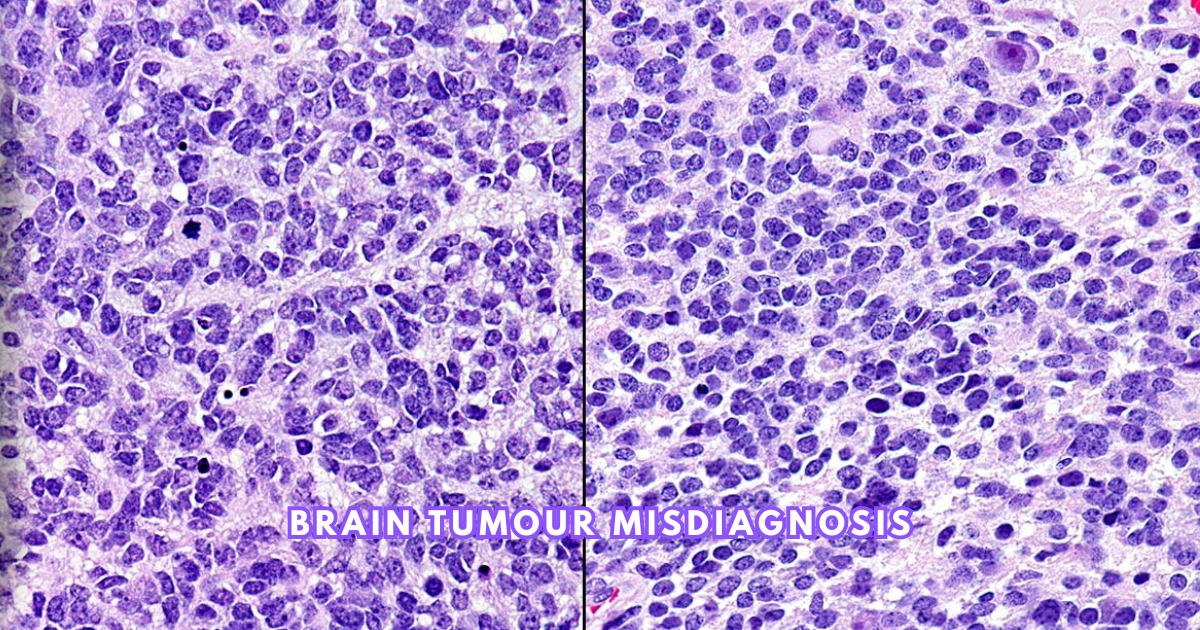
In some cases, doctors may recommend a biopsy to understand the exact type of tumour. This information helps create a suitable treatment plan based on the patient’s condition.
Advanced technology has improved the detection process, but careful medical evaluation is still necessary because symptoms can overlap with many other illnesses.
Impact on Patients and Families
Experiencing brain tumour misdiagnosis can be stressful for patients and their families. When symptoms continue without clear answers, people may feel confused, worried, or frustrated.
Families often provide important emotional and practical support during diagnosis and treatment. They may help patients attend appointments, remember medical information, and communicate concerns with doctors.
A delayed diagnosis may sometimes affect treatment timing. This is why paying attention to changes in health and seeking medical advice when symptoms appear unusual is important.

Age and Risk Factors
Brain tumours can develop at any stage of life. Some types are more common in children, while others are more frequently found in adults. Age alone does not determine whether someone can develop a brain tumour.
There is no connection between this medical condition and personal details such as height, physical appearance, income, or lifestyle status. Brain tumours are health conditions influenced by biological factors and, in some cases, genetic causes.
Every patient’s experience is different, and treatment decisions depend on individual medical needs.
Family History and Genetics
Some brain tumours may be associated with inherited genetic conditions, but many cases happen without a known family history. Having a relative with a brain tumour does not always mean another family member will develop the same condition.
Doctors may ask about family medical history to understand possible risks. Genetic testing may be suggested in certain situations where inherited conditions are suspected.
Family information can support diagnosis, but it is only one part of a complete medical evaluation.
Public Awareness and Online Information
This topic does not have personal details like age, net worth, height, family profile, or social media accounts because it refers to a medical issue rather than a person.
However, online platforms have helped spread awareness about brain health. Patients, researchers, and healthcare organisations often share educational information to help people recognise warning signs.
People should always check medical information from reliable healthcare sources. Online content can provide awareness but should not replace professional medical advice.
Improving Diagnosis and Patient Support
Healthcare systems continue to improve methods for identifying brain tumours. Better imaging tools, medical research, and specialist training are helping reduce delays and improve patient care.
Patients can also help by describing symptoms clearly, keeping records of changes, and asking questions during medical visits. Good communication between doctors and patients can lead to better decisions.
Awareness, early medical attention, and improved healthcare resources all play an important role in reducing diagnosis challenges.
Conclusion
Brain tumour misdiagnosis is a complex healthcare problem because symptoms can sometimes appear similar to other common conditions. Early recognition, proper medical testing, and specialist support are important for improving diagnosis and treatment outcomes.
Although this topic does not have personal profile information such as age, family details, net worth, height, or social media presence, understanding the condition can help patients and families make informed healthcare decisions. Greater awareness and better communication between patients and doctors can support faster diagnosis and improved care.
FAQs
Q: What is brain tumour misdiagnosis?
A: Brain tumour misdiagnosis happens when a tumour is not identified correctly or is confused with another health condition.
Q: Why does brain tumour misdiagnosis happen?
A: It can happen because early symptoms may look similar to migraines, stress, or other common medical problems.
Q: What are common signs linked to brain tumour diagnosis issues?
A: Common signs may include headaches, seizures, vision changes, memory problems, and balance difficulties.
Q: Can brain tumour misdiagnosis affect treatment?
A: Yes, delayed diagnosis may affect treatment timing and the options available for managing the condition.
Q: How can brain tumour misdiagnosis be reduced?
A: Careful medical checks, advanced scans, and early attention to unusual symptoms can help improve diagnosis accuracy.