Gaelic languages NYT is a topic that highlights the history, cultural value, and modern revival of ancient Celtic languages. Gaelic languages are not only forms of communication but also important parts of identity, traditions, music, and storytelling. These languages have connected generations of people across Ireland, Scotland, and the Isle of Man.
The discussion around gaelic languages nyt shows how minority languages can survive despite facing many challenges. Through education, technology, and cultural support, Gaelic continues to remain an important part of the modern world.
What Are Gaelic Languages?
Gaelic languages belong to the Celtic language family and are part of the Goidelic branch. The three main Gaelic languages are Irish Gaelic (Gaeilge), Scottish Gaelic (Gàidhlig), and Manx Gaelic (Gaelg). Each language has its own unique pronunciation, vocabulary, and cultural background.
These languages developed from older Gaelic forms spoken more than a thousand years ago. Historical documents, poetry, and traditional stories show that Gaelic was once widely used in everyday life, literature, and cultural activities.
Irish Gaelic became a major symbol of Irish heritage, while Scottish Gaelic became strongly connected with Highland communities and island traditions. Manx Gaelic also continues to receive attention through language revival projects.
The history of gaelic languages nyt reflects the importance of protecting these languages and understanding their connection to human culture.
History and Challenges of Gaelic
For many centuries, Gaelic languages were commonly spoken throughout Ireland, Scotland, and surrounding regions. They were used in homes, communities, and local traditions.
However, social and political changes affected their growth. English became more powerful in government, education, and business. Many Gaelic-speaking families started using English because it provided greater opportunities.
In Scotland, events such as the Highland Clearances caused many Gaelic speakers to leave their traditional lands. This reduced the number of communities where Gaelic was spoken daily.
Ireland also experienced a decline in Irish Gaelic use due to historical pressures and changes in education systems. Over time, many people feared that Gaelic languages could disappear.
Despite these difficulties, communities continued preserving their languages through families, schools, music, and cultural events.
Gaelic Languages NYT – Quick Bio Table
| Category | Details |
|---|---|
| Topic | Gaelic Languages NYT |
| Language Family | Celtic (Goidelic Branch) |
| Main Languages | Irish Gaelic, Scottish Gaelic, Manx Gaelic |
| Origin | Ireland and Scotland |
| History | More than 1,500 years old |
| Related Culture | Celtic traditions, music, poetry, storytelling |
| Main Regions | Ireland, Scotland, Isle of Man |
| Importance | Cultural identity and heritage preservation |
| Modern Support | Schools, media, technology, language programs |
| Current Status | Reviving through education and community efforts |
Gaelic Language and Cultural Identity
Language carries the memories and experiences of people. Gaelic languages preserve traditional songs, stories, poetry, and expressions that represent Celtic culture.
For many speakers, Gaelic is more than a language. It is a connection to their ancestors, homeland, and cultural roots. Many traditional Gaelic words describe nature, family, and community in meaningful ways.
Music and storytelling remain important parts of Gaelic culture. Traditional songs and performances allow people to experience the beauty of the language while keeping old traditions alive.
The topic of gaelic languages nyt shows why protecting languages is important. When a language survives, it protects the history and identity of the people who speak it.
Revival Through Education
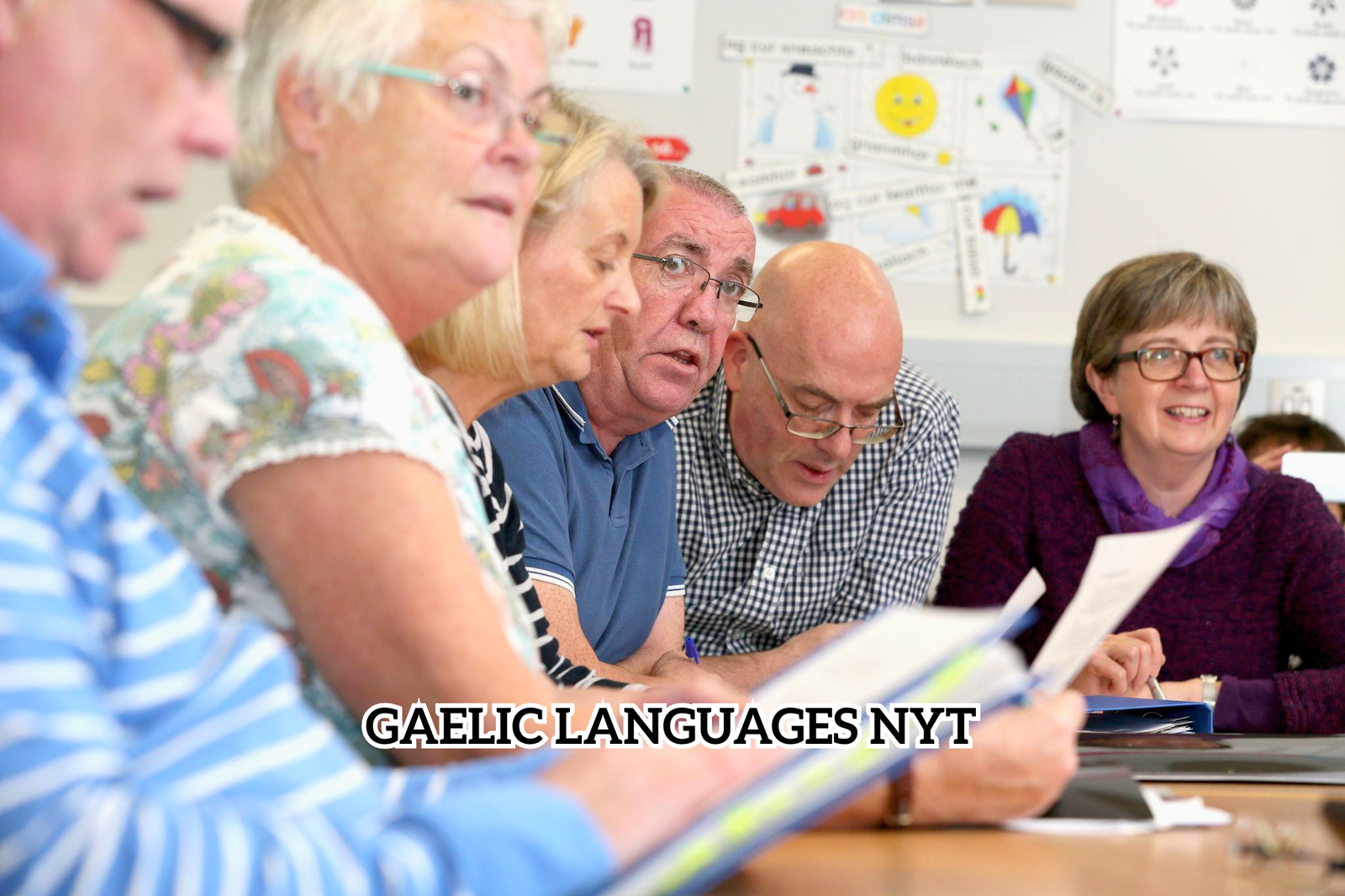
Education has played a major role in the revival of Gaelic languages. Schools, universities, and community programs now provide opportunities for children and adults to learn Gaelic.
In Scotland, Gaelic-medium education allows students to study different subjects using Scottish Gaelic. These schools help create new generations of confident speakers.
Ireland has also supported Irish Gaelic through educational programs and cultural organizations. These efforts encourage young people to learn and use the language in everyday situations.
Teachers help students understand not only grammar and vocabulary but also the history, music, and traditions connected with Gaelic.
Education proves that Gaelic languages can continue growing while becoming part of modern society.

Media and Digital Growth
Media has helped increase awareness of Gaelic languages. Television programs, radio stations, newspapers, and online platforms have introduced Gaelic culture to wider audiences.
The growing interest in gaelic languages nyt shows how media attention can encourage discussions about language protection and cultural diversity.
Technology has created new ways for people to learn Gaelic. Online courses, mobile apps, digital dictionaries, and social media communities allow learners from different countries to connect with Gaelic speakers.
Today, people can explore Gaelic without living in a traditional Gaelic-speaking area. Digital tools have made learning easier and more accessible.
Gaelic Languages in Modern Times
Many people once believed that smaller languages could not survive in today’s world. Gaelic communities have shown that traditional languages can adapt and remain valuable.
Today, Gaelic appears in schools, festivals, books, music, websites, and cultural events. It continues to develop while maintaining its historical importance.
The importance of gaelic languages nyt comes from understanding that language preservation is not only about protecting the past. It is also about creating opportunities for future generations.
Every language offers a unique view of the world, and Gaelic continues to represent an important part of human diversity.
Benefits of Learning Gaelic
Learning Gaelic provides many cultural and educational benefits. It helps people understand Celtic history and develop a deeper appreciation for traditions.
Studying Gaelic can improve communication skills and introduce learners to different ways of expressing ideas. Many people enjoy discovering unique words related to nature, emotions, and community life.
For people with Scottish or Irish heritage, learning Gaelic can create a stronger connection with their background. For others, it provides an opportunity to explore a fascinating language and culture.
The interest in gaelic languages nyt encourages more people to recognize the importance of protecting linguistic diversity.
The Future of Gaelic Languages
The future of Gaelic depends on continued support from communities, educators, governments, and learners. Every new speaker helps strengthen the language and keeps cultural traditions alive.
Modern technology and education have created new opportunities for Gaelic growth. Younger generations are discovering that Gaelic is not only an old language but also a living part of modern identity.
The future of gaelic languages nyt represents a wider conversation about protecting cultural heritage. When people support different languages, they help preserve valuable stories and traditions.
Conclusion
Gaelic languages NYT represents the importance of protecting ancient Celtic languages and understanding their role in culture and identity. Although Gaelic languages have faced many challenges, strong communities have helped them survive.
From traditional songs and stories to modern classrooms and digital platforms, Gaelic continues to inspire people around the world. The survival of these languages proves that cultural heritage can remain strong when people continue learning and celebrating it.
The journey of gaelic languages nyt shows that every language has value. Gaelic is not only a connection to history but also an important voice for future generations.