Manchester has always had a close relationship with music, art and independent culture, but few people influenced that identity as strongly as Tony Wilson. A broadcaster, journalist, record-label founder, nightclub owner and cultural entrepreneur, Wilson became closely associated with the city’s transformation from an industrial centre into one of Britain’s best-known creative cities.
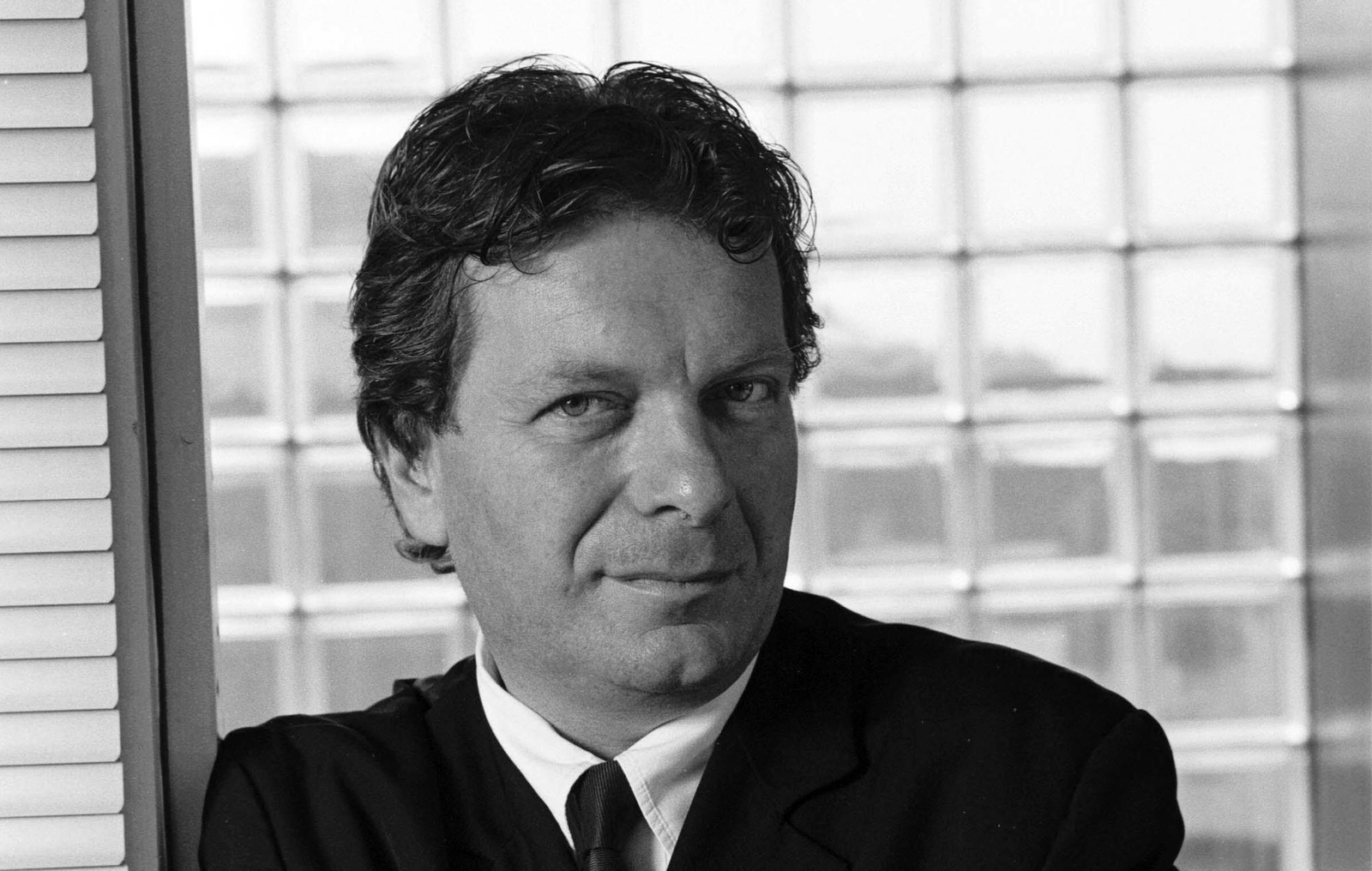
In 2026, his connection with Manchester was celebrated through Tony Wilson: A Portrait of Manchester, a free photographic exhibition held at The Refuge inside the Kimpton Clocktower Hotel. The exhibition brought together a previously unseen series of portraits photographed by Paul Wolfgang Webster in 1996. It offered visitors something more personal than a conventional music-history display: an intimate look at Wilson himself and his relationship with the city that shaped his career.
What Is the Exhibition?
The tony wilson exhibition Manchester was a special photography exhibition titled Tony Wilson: A Portrait of Manchester. It opened at The Refuge in April 2026 and ran until 20 May 2026. Entry was free, making the exhibition accessible to both longtime Manchester music followers and visitors discovering Wilson’s story for the first time.
The exhibition featured a complete series of photographs taken by photographer Paul Wolfgang Webster in 1996. Rather than presenting a collection of famous promotional photographs, the exhibition concentrated on candid portraits that captured Wilson in a more relaxed and personal setting.
Webster photographed Wilson using a Hasselblad 500CM medium-format film camera, producing monochrome images with the distinctive character associated with traditional photographic film. The photographs were presented together publicly for the first time, giving the exhibition particular historical value.
Where Was It Held?
The exhibition was presented at The Refuge, a well-known cultural and social space within Manchester’s Kimpton Clocktower Hotel on Oxford Street.
The location was appropriate because the exhibition was not simply about a record-label executive. It was about a person who helped shape Manchester’s wider cultural identity. Displaying the portraits in one of the city’s established historic buildings created a setting where photography, architecture, hospitality and Manchester’s musical history could come together.
The exhibition was advertised as a free event, although limited-edition prints were also made available for purchase around the opening.
Bio Table
| Detail | Information |
|---|---|
| Full Name | Anthony Howard Wilson |
| Known As | Tony Wilson |
| Born | 20 February 1950 |
| Birthplace | Salford, England |
| Died | 10 August 2007 |
| Age at Death | 57 years |
| Profession | Journalist, TV presenter, record-label owner and cultural entrepreneur |
| Best Known For | Factory Records and The Haçienda |
| Factory Records Founded | 1978 |
| Education | Jesus College, Cambridge |
| Major Associated Artists | Joy Division, New Order, Happy Mondays and others |
| Exhibition | Tony Wilson: A Portrait of Manchester |
| Photographer | Paul Wolfgang Webster |
| Photographs Taken | 1996 |
| Camera | Hasselblad 500CM medium-format film camera |
| Exhibition Venue | The Refuge, Kimpton Clocktower, Manchester |
| Exhibition Dates | 9 April–20 May 2026 |
| Social Media | No verified personal social-media account |
| Height | No reliable authoritative measurement available |
Who Was Tony Wilson?
Anthony Howard Wilson, widely known as Tony Wilson, was born in Salford on 20 February 1950. He later became one of the most recognisable cultural figures associated with Manchester.
According to the Science Museum Group, Wilson was the only child of Sydney Wilson and Doris Emily Wilson. His parents operated tobacconist shops, and the family moved to Marple when he was five. He attended De La Salle Catholic grammar school in Salford before studying English at Jesus College, Cambridge.
His early career was in journalism and broadcasting. He eventually joined Granada Television in Manchester, where he became associated with programmes including Granada Reports. His interest in music and popular culture became increasingly important, particularly after he witnessed the emerging punk movement.
His television work gave him a platform to introduce new artists and ideas to a much wider audience. Rather than simply reporting on Manchester’s cultural scene, Wilson increasingly became one of the people actively building it.
Factory Records
One of Wilson’s most important achievements was Factory Records, which he co-founded with Alan Erasmus in 1978.
Factory became famous for its unusual approach to music, design and artistic freedom. The label was closely associated with artists including Joy Division, New Order, Happy Mondays, A Certain Ratio and The Durutti Column. Factory’s catalogue developed a visual identity that was strongly connected to designer Peter Saville and the label’s distinctive catalogue-number system.
The label became much more than a conventional record company. It represented an attitude towards creativity. Wilson was willing to take risks, support unconventional artists and allow designers and musicians considerable freedom.
The commercial story was complicated. Factory became internationally influential but was not always financially successful. Its willingness to prioritise creative decisions over conventional business logic eventually contributed to serious financial problems.
Nevertheless, the label’s influence has lasted far beyond its original existence.
The Haçienda and Manchester Music
Wilson’s connection with Manchester nightlife was equally important. In 1982, Factory Records and New Order were involved in opening The Haçienda, which became one of the most famous clubs in British music history.
The venue became a major part of Manchester’s late-1980s and early-1990s musical identity. It helped bring together indie music, house, dance culture and a new generation of club-goers.
Wilson’s influence therefore extended beyond records. He was involved in creating physical spaces where musicians, artists and audiences could meet. This approach helped establish Manchester as a city where music could become part of a broader cultural movement.
Why the Photographs Matter
The importance of the tony wilson exhibition Manchester lies partly in the difference between public reputation and private personality.
Wilson was often presented as a confident, outspoken and sometimes controversial character. He had a strong public image developed through television, journalism and his involvement in Factory Records.
Paul Wolfgang Webster’s photographs offer another perspective. Taken in 1996, they capture Wilson away from the more obvious stages of his public career. According to exhibition coverage, the photographs emerged from natural conversation and focused on Wilson’s connection with Manchester and the North West.
This makes the collection interesting even for people who are not deeply familiar with Factory Records. The photographs work as historical portraits as much as music memorabilia.
Tony Wilson’s Family
Wilson’s personal life was also connected with the creative world around him. The Guardian’s obituary records that he was married twice, first to Lindsay and later to Hilary, who was the mother of his two children, Oliver and Isabel. He was also in a long-term relationship with Yvette Livesey, with whom he worked on the In the City music conference.
His family and close relationships were an important part of the story behind the public figure. Although Wilson was often associated with Manchester’s nightlife and music business, those who knew him also remembered his intellectual interests, humour, curiosity and strong personality
Age and Physical Appearance
Tony Wilson was 57 years old when he died on 10 August 2007. He was born in 1950 and therefore belonged to a generation that experienced the arrival of television culture, the Beatles, punk, post-punk and electronic dance music during formative periods of his life.
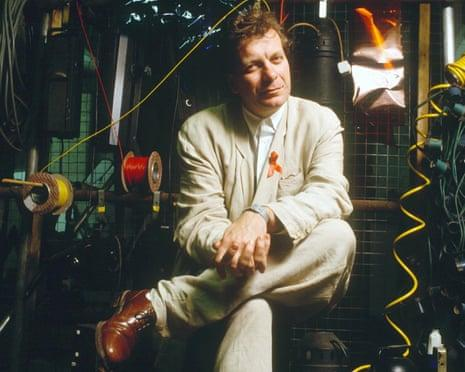
Unlike many modern celebrities, Wilson’s public identity was not built around a carefully managed physical image. He was recognisable for his slim appearance, dark hair, glasses and distinctive formal yet unconventional style. Photographs from different periods show a man comfortable moving between television studios, music venues, offices and cultural events.
Because there is no reliable authoritative source establishing an official height measurement, it is better not to publish an exact height as fact.
Tony Wilson’s Net Worth
Questions about Wilson’s net worth are common, but online estimates should be treated carefully. He was involved in several businesses and creative ventures, yet Factory Records itself was famously complicated financially.
Available reporting on his estate gives a more reliable picture than speculative celebrity-net-worth websites. Probate information has been reported as valuing his estate at approximately £484,747 after tax, including his Manchester city-centre flat. The figure should not be confused with a lifetime earnings estimate or the value of the cultural legacy he created.
In Wilson’s case, financial wealth does not fully explain his importance. His lasting influence came from music, broadcasting, design, nightlife and his determination to promote Manchester.
Social Media and Modern Legacy
Tony Wilson died long before Instagram, TikTok and today’s social-media culture became dominant. Consequently, there are no verified personal social-media accounts operated by Wilson himself.
There are, however, numerous fan pages, archive projects, Factory-related accounts and Manchester cultural organisations that continue to share photographs, interviews, recordings and historical material connected with him.
His influence is also visible in the city’s cultural geography. HOME, for example, is located on Tony Wilson Place, while Factory International takes its name from the record label he helped establish. Manchester continues to use his name and legacy as part of its cultural story.
Why Visit an Exhibition Like This?
The value of the tony wilson exhibition Manchester was not limited to fans of Joy Division or New Order. The exhibition provided an opportunity to understand a period when Manchester’s cultural identity was changing rapidly.
For music enthusiasts, the photographs connected directly with the history of Factory Records and The Haçienda. For photography lovers, the use of medium-format film provided an opportunity to see an important cultural figure through the work of an established photographer. For visitors interested in Manchester history, the exhibition offered a personal route into the city’s transformation.
It also demonstrated how exhibitions can preserve cultural memories that might otherwise disappear. Music history is often remembered through recordings, but photographs can reveal the people, environments and personalities behind those recordings.
The Wider Factory Legacy
The story behind the exhibition is inseparable from Factory Records. The label helped introduce Manchester artists to international audiences and created a distinctive relationship between music, graphic design and place.
The Science and Industry Museum’s earlier Use Hearing Protection: The early years of Factory Records exhibition similarly examined how Factory Records contributed to Manchester’s cultural transformation. That exhibition focused on the label’s formative period from 1978 to 1982 and highlighted its influence on music, technology and design.
Together, exhibitions and archives such as these help ensure that the Factory story remains available to new generations.
A Legacy That Remains
The tony wilson exhibition Manchester offered a rare opportunity to see Tony Wilson through photographs that had not previously been exhibited together. Its importance came from its intimacy: rather than simply celebrating a famous name, it showed a person whose career was deeply intertwined with Manchester.
Wilson died on 10 August 2007, aged 57, but the cultural ideas associated with him have continued to influence the city. Factory Records, The Haçienda, Granada Television, Manchester’s independent music culture and the wider creative scene all form part of the story.
More than a decade after his death, Wilson remains difficult to reduce to a single job title. He was a broadcaster, journalist, entrepreneur, cultural promoter and music-industry figure, but perhaps his most enduring role was that of a passionate advocate for Manchester.
That is ultimately what makes exhibitions about him meaningful. They do not simply look backwards. They remind visitors that cities are shaped by people willing to take creative risks, support new voices and believe that culture can change how a place sees itself.
FAQs
Q: Who was Tony Wilson?
A: A Manchester broadcaster and Factory Records co-founder.
Q: Where was the exhibition held?
A: At The Refuge, Kimpton Clocktower, Manchester.
Q: Who photographed Tony Wilson?
A: Photographer Paul Wolfgang Webster.
Q: When were the portraits taken?
A: The photographs were taken in 1996.
Q: When did Tony Wilson die?
A: He died on 10 August 2007, aged 57.