Introduction
A retort stand clamp is one of the most essential pieces of laboratory equipment used in schools, colleges, research facilities, hospitals, and industrial laboratories. Although it may appear to be a simple accessory, it plays a vital role in ensuring experiments are carried out safely, accurately, and efficiently. From supporting delicate glassware during chemical reactions to holding instruments in precise positions, this laboratory tool allows scientists and students to work with confidence.
Many scientific procedures require equipment to remain perfectly stable for extended periods. Holding laboratory apparatus by hand is neither practical nor safe, particularly when experiments involve heat, chemicals, or fragile glassware. This is where a retort stand clamp becomes invaluable. It secures equipment firmly in place, reducing the risk of accidents while improving the precision of experimental results.
Whether you are a science student learning basic laboratory techniques or a professional researcher conducting complex experiments, understanding how this tool works and how to use it correctly is an important part of laboratory practice.
What Is a Retort Stand Clamp?
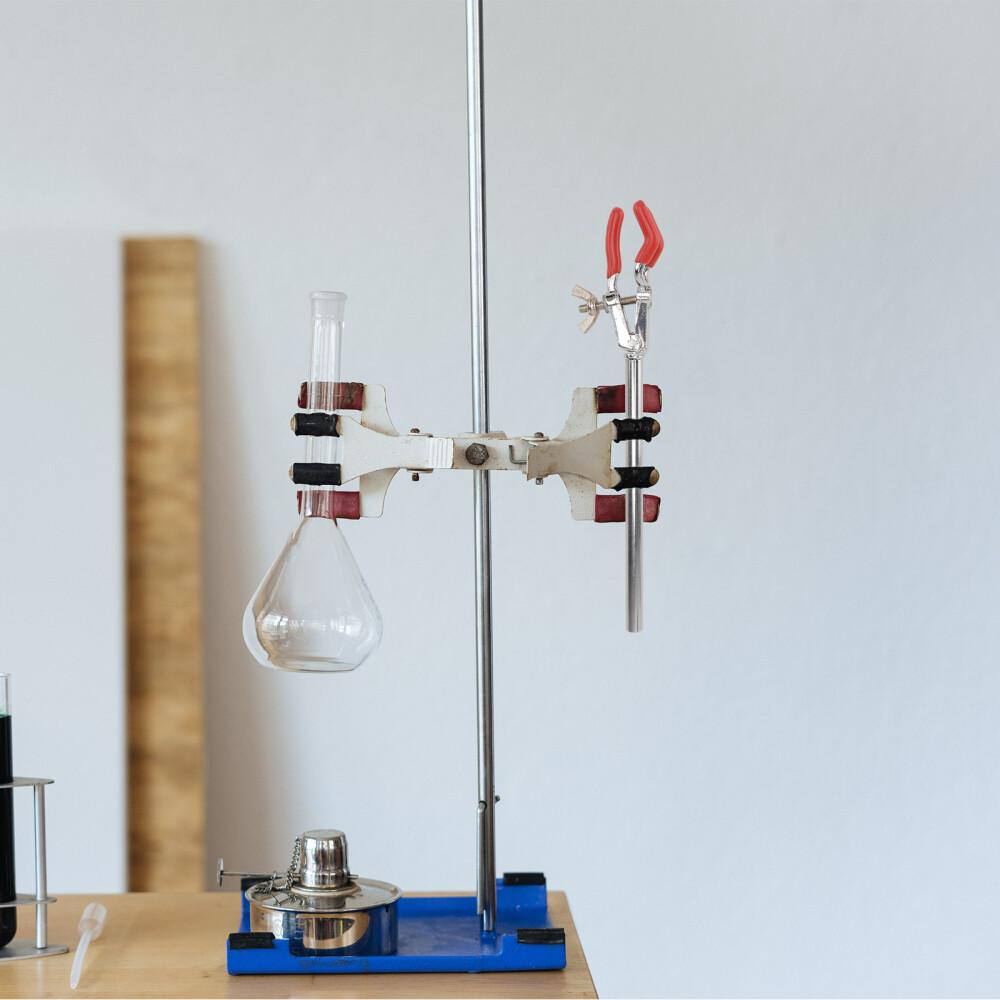
A retort stand clamp is an adjustable metal clamp designed to attach securely to the vertical rod of a retort stand, also known as a laboratory stand or ring stand. Once connected, it holds laboratory apparatus such as flasks, test tubes, burettes, thermometers, condensers, funnels, or probes firmly in position during experiments.
Most clamps include adjustable jaws that open and close using a screw mechanism. These jaws are often coated with rubber or plastic to provide a better grip while protecting delicate glassware from damage. The clamp is connected to the stand using a bosshead, allowing it to be positioned at different heights and angles depending on the experimental setup.
Because of its versatility, this simple device has become standard equipment in laboratories around the world.
The History of Laboratory Support Equipment
Laboratory support systems have evolved alongside scientific research. Early scientists often improvised supports using wooden frames or handmade metal structures. As chemistry and physics became more advanced during the nineteenth century, laboratories required equipment capable of securely supporting increasingly complex experimental apparatus.
The modern retort stand and its accompanying clamp were developed to provide greater stability, flexibility, and safety. Today, manufacturers continue to improve these tools by using corrosion-resistant materials, precision engineering, and protective coatings that increase durability and extend their working life.
Bio Table
| Attribute | Details |
|---|---|
| Article Title | Retort Stand Clamp: A Complete Guide to Its Uses, Benefits, and Types |
| Focus Keyword | retort stand clamp |
| Category | Science & Technology |
| Article Type | Informative Guide |
| Reading Time | 7–9 Minutes |
| Word Count | 1,200+ Words |
| Audience | Students, Teachers, Laboratory Technicians, Researchers, Science Enthusiasts |
| Purpose | To explain what a retort stand clamp is, its uses, benefits, types, components, and safety practices. |
How a Retort Stand Clamp Works
The operation of a retort stand clamp is straightforward, yet highly effective. First, the clamp is attached to the vertical rod of the stand using the bosshead. Once tightened, it remains securely fixed in place. The jaws are then opened wide enough to accommodate the laboratory equipment before being gently tightened until the apparatus is held firmly.
The adjustable design allows users to move the clamp higher or lower on the stand while also changing its angle. This flexibility enables scientists to create a wide variety of laboratory setups without requiring multiple support systems.
Correct adjustment is important because excessive pressure can damage delicate glassware, while insufficient tightening may allow equipment to slip during use.
Main Components
Although designs vary slightly between manufacturers, most laboratory clamps share several common parts. The adjustable jaws are responsible for gripping the apparatus securely. A threaded adjustment screw controls the opening and closing of the jaws, allowing them to fit different sizes of laboratory equipment.
The bosshead acts as the connector between the clamp and the stand, ensuring stability while allowing adjustments in height and direction. Many modern clamps also feature rubber-coated gripping surfaces that increase friction and reduce the likelihood of glassware breaking under pressure.
Together, these components create a simple but highly dependable support system suitable for a wide range of laboratory applications.
Common Laboratory Applications
One of the main reasons this equipment is so widely used is its versatility. It supports laboratory apparatus during numerous scientific procedures where stable positioning is essential.
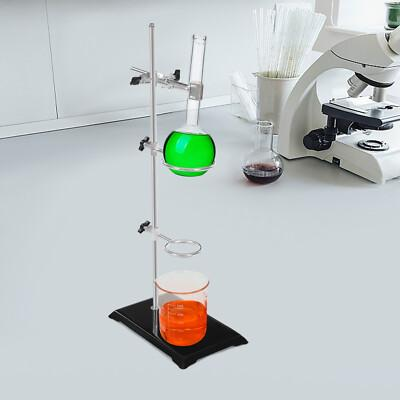
In chemistry laboratories, it is frequently used to hold burettes during titration experiments, ensuring liquids are dispensed accurately. During distillation, the clamp secures flasks and condensers while heat is applied. Filtration experiments often require funnels to remain steady, making reliable support essential.
Biology laboratories use clamps to hold measuring probes, sensors, and containers while samples are analysed. Physics experiments often involve supporting measuring instruments or optical equipment in fixed positions to ensure accurate observations.
Industrial laboratories, pharmaceutical companies, food testing facilities, and environmental research centres also rely on these clamps because they provide dependable support during routine testing and quality control procedures.
Benefits of Using a Retort Stand Clamp
The greatest advantage of using a retort stand clamp is the stability it provides. Scientific experiments often require apparatus to remain completely motionless, particularly when precise measurements or delicate reactions are involved. Even slight movement can affect the outcome of an experiment, making reliable support essential.
Safety is another significant benefit. Properly secured glassware reduces the chances of spills, broken equipment, chemical exposure, or burns. Laboratory personnel can concentrate on observations rather than worrying about supporting apparatus by hand.
The clamp also improves efficiency. Once equipment has been positioned correctly, researchers are free to perform other tasks without constantly adjusting the experimental setup. This is particularly useful during lengthy experiments that require continuous monitoring.
Its adjustable design means the same clamp can be used for a wide variety of equipment sizes, reducing the need for specialised holders. Combined with its long lifespan and minimal maintenance requirements, it represents excellent value for educational institutions and research laboratories alike.
Different Types Available
Several types of laboratory clamps are available, each designed for particular applications. Three-finger clamps are commonly used for holding larger pieces of glassware such as flasks and condensers because they distribute pressure evenly across the surface.
Two-finger clamps are suitable for lighter equipment including test tubes and small measuring devices. Burette clamps are specially designed to support one or two burettes during titration experiments, allowing precise liquid measurements.
Utility clamps offer general-purpose support for a wide range of laboratory equipment, while extension clamps provide additional reach when more complex experimental arrangements are required. Choosing the appropriate clamp depends on the size, weight, and shape of the apparatus being supported.
Materials and Construction
Most modern laboratory clamps are manufactured from stainless steel, chrome-plated steel, zinc-coated steel, or aluminium alloys. These materials are selected because they provide excellent strength while resisting corrosion caused by laboratory chemicals and moisture.
Rubber or silicone coverings are commonly added to the gripping surfaces. These protective coatings help prevent glassware from slipping while reducing the risk of scratches or cracks. High-quality manufacturing ensures smooth adjustment mechanisms that remain reliable even after years of regular use.
Choosing the Right Clamp
Selecting the appropriate laboratory clamp requires consideration of several factors. The size and weight of the apparatus should always match the clamp’s capacity. Heavy equipment requires stronger clamps with larger gripping surfaces, while delicate instruments benefit from rubber-coated jaws that provide a gentle yet secure grip.
Compatibility with the retort stand is equally important. Most laboratory stands use standard rod diameters, but checking compatibility before purchase helps avoid fitting issues. Durable construction, corrosion resistance, and smooth adjustment mechanisms are additional features worth considering when investing in laboratory equipment.
Proper Usage and Safety
Correct use is essential for both safety and accuracy. Before beginning an experiment, the stand should be placed on a flat, stable surface. The clamp must be attached securely to the stand before equipment is inserted between the jaws.
When tightening the adjustment screw, only enough pressure should be applied to hold the apparatus firmly. Excessive force can crack glassware, particularly when working with thin-walled laboratory vessels. It is also good practice to inspect the clamp regularly for loose screws, worn rubber coverings, or signs of corrosion.
Keeping the workspace organised and ensuring that heavy apparatus is balanced correctly further reduces the risk of accidents during laboratory work.
Maintenance and Care
Regular maintenance helps extend the working life of laboratory equipment. After each experiment, the clamp should be cleaned using a soft cloth to remove chemical residues and moisture. Metal components should be dried thoroughly before storage to minimise corrosion.
Adjustment screws occasionally benefit from light lubrication if they become stiff after prolonged use. Rubber gripping surfaces should be inspected periodically and replaced if they become worn or damaged. Proper storage in a clean, dry environment ensures the clamp remains ready for future laboratory work.
Why It Remains Essential Today
Despite advances in laboratory technology and automation, the retort stand clamp continues to be one of the most widely used support tools in scientific environments. Its simple design, reliability, and adaptability make it suitable for both basic educational experiments and advanced research projects.
Modern laboratories increasingly use sophisticated sensors and digital instruments, yet many of these devices still require stable physical support during operation. As a result, the clamp remains an indispensable part of laboratory equipment across numerous scientific disciplines.
Conclusion
The retort stand clamp is far more than a simple laboratory accessory. It provides the stability, flexibility, and safety required for countless scientific experiments conducted every day in educational institutions, research laboratories, healthcare facilities, and industrial testing centres. Its adjustable design allows it to support a wide variety of glassware and instruments while helping researchers achieve accurate and repeatable results.
Whether used for titration, distillation, filtration, heating, or precision measurement, this dependable tool continues to play a crucial role in modern science. By selecting a high-quality clamp, using it correctly, and maintaining it properly, laboratories can improve safety, protect valuable equipment, and ensure experiments are completed with confidence and precision.