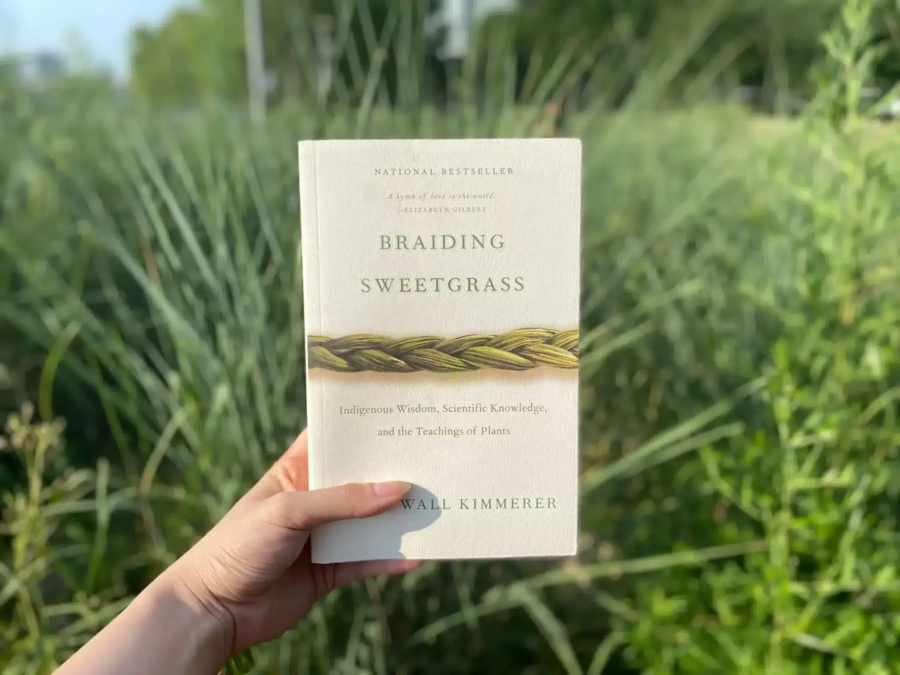
Few environmental books have had the reach of Braiding Sweetgrass. Robin Wall Kimmerer’s 2013 work blends Indigenous knowledge, scientific research, and personal reflection in a way that has resonated with readers, educators, and environmental advocates. It has become a bestseller, a classroom text, and a frequent choice for book clubs. As its audience has grown, so has discussion about the braiding sweetgrass controversy. For some readers, the book is a refreshing bridge between different ways of knowing. For others, it raises questions about how science, spirituality, and cultural tradition should be presented together. Looking at the debate helps explain both the book’s influence and Kimmerer’s wider public role.
Understanding the Book’s Influence
Published in 2013, Braiding Sweetgrass: Indigenous Wisdom, Scientific Knowledge, and the Teachings of Plants offers a view of the natural world that is both scholarly and personal. Kimmerer combines ecological research with stories from her life and teachings from her Potawatomi heritage. Rather than treating science and Indigenous knowledge as rivals, she presents them as complementary.
The book’s popularity grew gradually through recommendations, classrooms, and public interest in sustainability. Today it is widely regarded as one of the most important environmental books of its time.
What Is the Braiding Sweetgrass Controversy?
The braiding sweetgrass controversy is not about scandal or misconduct. Instead, it centers on intellectual disagreements about the book’s ideas.
Some critics argue that scientific claims should be kept separate from spiritual or cultural teachings, and they worry that blending the two can blur the line between evidence and belief. Supporters respond that Kimmerer is not replacing science. They say she is inviting readers to see that different forms of knowledge can work together, especially when thinking about ecology, responsibility, and the future of the planet.
Debates About Indigenous Knowledge
Another part of the debate concerns how Indigenous knowledge is represented.
Some scholars feel the book can present Indigenous traditions in a way that is too idealized for readers who do not already know the history of colonization, displacement, and cultural survival. Others argue that this criticism misses the point. They say Kimmerer is not writing a full historical account but sharing insights shaped by lived experience, language, and ecological observation.
For many Indigenous readers, the book is valuable because it brings attention to knowledge systems that have often been ignored or dismissed.
Environmental and Political Discussions
The book also addresses consumerism, environmental damage, and the economic habits that shape modern life. Kimmerer asks readers to think differently about how people use land, water, and other living systems. Supporters see these ideas as practical and necessary, while critics sometimes find them idealistic or difficult to apply at scale. Because environmental questions are tied to politics and economics, these themes naturally add to the braiding sweetgrass controversy.
Who Is Robin Wall Kimmerer?
Robin Wall Kimmerer is an American botanist, professor, writer, and member of the Citizen Potawatomi Nation. Born in 1953, she is about 73 years old as of 2026. She is known for connecting scientific research with Indigenous ecological knowledge and for making complex ideas accessible to general readers. Her work has made her one of the most respected voices in environmental literature and ecological thought.
Education and Career
Kimmerer studied biology and ecology before building a career in plant science. Much of her research has focused on mosses and plant communities, but her interests expanded over time to include the relationship between science and Indigenous perspectives. She has taught for many years at the State University of New York College of Environmental Science and Forestry, where she has influenced students, researchers, and public conversations about sustainability.
Family and Personal Life
Kimmerer keeps her personal life private, even though she is a public figure. She has spoken about being a mother and has occasionally included stories about her daughters in her writing. Those experiences often help illustrate her ideas about stewardship and responsibility. Details about her spouse, parents, siblings, and extended family are not widely publicized.
Physical Appearance
Kimmerer is often described as warm and approachable in lectures and interviews. Her exact height has not been publicly verified, and she does not cultivate a celebrity image. Her focus remains on education, conservation, and community.
Net Worth and Financial Success
Interest in Kimmerer’s finances has grown with the success of Braiding Sweetgrass. No official figure has been confirmed, but estimates often place her net worth in the low-to-mid millions, based on book sales, speaking engagements, and academic work. Because she has not disclosed her finances, these numbers should be treated as speculation rather than fact.
Social Media Presence
Unlike many bestselling authors, Kimmerer keeps a limited social media presence. Most updates about her work appear through her website, universities, publishers, and speaking organizations. This quieter approach reflects her preference for scholarship and thoughtful engagement over constant online visibility.
Awards and Recognition
Kimmerer has received major recognition for her work, including a MacArthur Fellowship, often called a Genius Grant. She has also earned awards for environmental writing, ecological education, and public scholarship. These honors reflect both her scientific expertise and her ability to communicate environmental ideas to broad audiences.
Why the Debate Continues
The braiding sweetgrass controversy continues because the book asks readers to think beyond familiar categories. Supporters see it as a meaningful bridge between science and Indigenous wisdom. Critics remain cautious about its philosophical and methodological choices. Yet both sides agree that the book has shaped public conversations about nature, culture, and sustainability.
Its lasting power comes from its ability to invite reflection rather than offer easy answers. Readers may embrace its message or challenge it, but Braiding Sweetgrass remains one of the most influential environmental books of the twenty-first century.
Final Thoughts
The debate around Braiding Sweetgrass shows how a single book can inspire both admiration and criticism while still leaving a positive mark. Kimmerer’s work reminds readers that science, culture, and respect for the natural world can inform one another. Whether approached with enthusiasm or skepticism, the book continues to encourage people to reconsider how they live with the earth and with each other. That is why her voice remains important today.
FAQs
Q: What is the Braiding Sweetgrass controversy?
A: The Braiding Sweetgrass controversy involves debates about blending Indigenous wisdom with scientific knowledge.
Q: Why is Braiding Sweetgrass controversial?
A: Some critics question its mix of spirituality, culture, and environmental science.
Q: Who wrote Braiding Sweetgrass?
A: Braiding Sweetgrass was written by Robin Wall Kimmerer, a botanist and author.
Q: Is the Braiding Sweetgrass controversy related to a scandal?
A: No, the Braiding Sweetgrass controversy is an intellectual debate, not a personal scandal.
Q: What made Braiding Sweetgrass popular?
A: Its unique combination of ecology, storytelling, and Indigenous teachings attracted millions of readers.