The term “Ferryhill gypsy site” refers to traveller and gypsy communities connected to Ferryhill in County Durham, England. Many online searches about the topic are linked to local traveller accommodation areas rather than a public figure or celebrity. The area has become known through council reports, local discussions, and the long-standing presence of traveller families in the region.
This article explains the background of the Ferryhill gypsy site, its history, community lifestyle, local environment, and the role traveller communities play within County Durham.
Ferryhill and Its Background
Ferryhill is a historic town in the North East of England, located in County Durham between Durham and Darlington. The town grew during the coal mining era and later developed into a residential community for working families. Although mining declined many years ago, Ferryhill still reflects much of its industrial heritage.
The town has a population of roughly 8,000 to 9,000 residents and includes schools, parks, shops, and local services. Ferryhill is also connected to nearby traveller accommodation areas, particularly around East Howle and Gypsy Lane.
Like many towns in northern England, Ferryhill has experienced economic changes following the decline of heavy industry. Despite this, the town continues to maintain a strong sense of local identity and community life.
What Is the Ferryhill Gypsy Site?
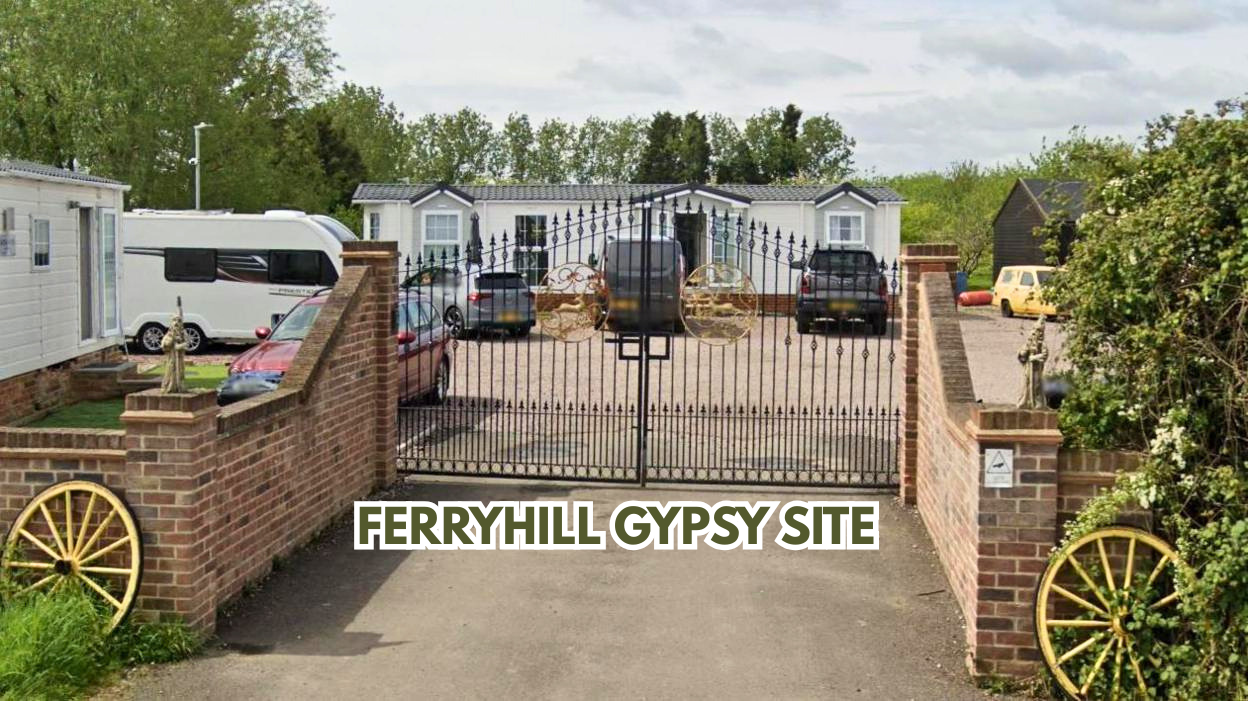
The Ferryhill gypsy site generally refers to authorised traveller accommodation near East Howle in County Durham. These sites are managed or supported through local authority planning and are designed to provide legal and organised accommodation for travelling families.
Traveller sites in the UK usually include:
- Caravan pitches
- Water and electricity access
- Waste collection
- Sanitation facilities
- Parking areas
The East Howle site near Ferryhill has been mentioned in public council reports as one of several traveller sites within County Durham. Such sites help provide stable accommodation while reducing unauthorised encampments.
Traveller accommodation is an important issue across the UK because many travelling families require safe and legal places to live while maintaining aspects of their traditional lifestyle.
Ferryhill Gypsy Site – Bio Table
| Category | Details |
|---|---|
| Name | Ferryhill Gypsy Site (Traveller Accommodation Area) |
| Location | Near Ferryhill, County Durham, England |
| Type | Authorised Gypsy & Traveller Accommodation Site |
| Population | No fixed number (varies by families living on site) |
| Age (Person) | Not applicable (not an individual person) |
| Family | Traveller families/extended communities (varies) |
| Siblings | Not applicable |
| Net Worth | Not publicly available (varies by household) |
| Height / Physical Stats | Not applicable |
| Lifestyle | Mixed: settled caravans + travelling traditions, family-oriented |
| Occupation | Common trades include construction, landscaping, scrap metal, market trading |
| Social Media | No official accounts; some community-related posts on TikTok/Facebook/YouTube |
| Facilities | Caravan pitches, water, electricity, waste services (council-managed) |
| Authority | Durham County Council (site management & services) |
| Public Status | Residential traveller site, not a public figure or celebrity |
| Known For | Traveller accommodation, local housing discussions, community life |
Traveller Communities in Ferryhill
Traveller communities have existed in Britain for generations. In Ferryhill and surrounding areas, many traveller families maintain strong cultural traditions and close family ties.
Family loyalty and independence are often highly valued. Some families remain permanently settled on authorised sites, while others continue travelling seasonally for work or family reasons. This mixture of settled and travelling lifestyles is common within traveller culture.
Life on traveller sites varies between households. Some families live in modern static caravans with updated facilities, while others prefer a more traditional travelling lifestyle. Community support and extended family relationships remain central parts of daily life.
Lifestyle and Daily Living
Traveller communities near Ferryhill are often family-focused and community-oriented. Large family gatherings, weddings, and celebrations play an important role in social life.
Common types of work among traveller families may include:
- Construction
- Landscaping
- Roofing
- Gardening services
- Scrap metal work
- Horse dealing
- Market trading
Some younger generations now work in different industries or regular employment outside traditional trades. Technology has also changed modern traveller life, with many younger residents using smartphones and social media while still maintaining cultural traditions.
Local Environment Around Gypsy Lane
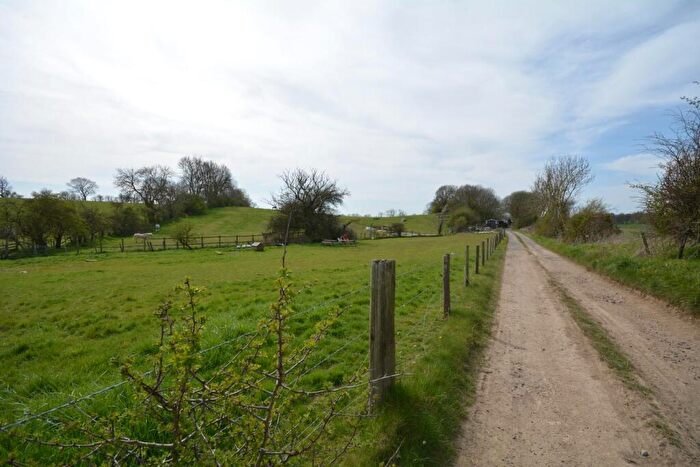
Gypsy Lane near Ferryhill appears in local postcode records and public databases. The surrounding area includes residential housing, traveller accommodation, schools, shops, and transport links.
Like many former mining communities, parts of Ferryhill face economic challenges and social deprivation. However, these wider statistics should not be used to stereotype traveller families or local residents. Communities are diverse, and experiences vary greatly between households.
The area remains part of a broader residential town with a mixture of backgrounds and lifestyles.
Family and Community Structure
Family networks are one of the strongest features of traveller culture. Several generations often remain closely connected and support one another during difficult times.
Respect for elders is commonly valued, and traditions are frequently passed down through storytelling and family teaching. Weddings and religious gatherings can involve large celebrations and extended family participation.
Because the Ferryhill gypsy site refers to a location rather than a specific individual, there is no verified public information about one particular family or household connected to the keyword.
Education and Community Services
Children living on traveller sites near Ferryhill generally have access to local schools and educational support services. Across the UK, traveller children have sometimes faced barriers to education because of travelling lifestyles or discrimination.
Local councils and schools now work more closely with traveller families to improve attendance and educational opportunities. Outreach programmes and support workers help encourage stronger participation in education.
Healthcare services are available through the National Health Service in County Durham. Families living on authorised sites can access doctors, hospitals, and community healthcare support.
Social Media and Public Attention
There are no verified official social media accounts representing the “Ferryhill gypsy site” as a celebrity or influencer profile. Most online mentions are connected to local discussions, council reports, or community-related conversations rather than a public personality. Because of this, many searches about the topic can sometimes create confusion online.
However, traveller communities across the United Kingdom remain active on platforms such as Facebook, TikTok, Instagram, and YouTube. Some users share caravan tours, horse fairs, family gatherings, and discussions about traveller culture. Public conversations about traveller sites can sometimes become controversial, especially around housing policies and local services, so it is important to separate factual information from stereotypes or rumours.
County Durham Traveller Site Management
Durham County Council provides support and services connected to gypsy, Roma, and traveller accommodation across the county. Council-managed sites are designed to improve living conditions while providing authorised accommodation for travelling families in a safer and more organised environment.
Services available on these sites may include waste collection, electricity and water supply, site maintenance, pitch management, and wider community support. Public reports over the years have also discussed the growing need for additional traveller accommodation across County Durham due to demand and long-term housing requirements.
Ferryhill Today
Modern Ferryhill continues to develop as a residential town with a strong local identity and long industrial history. Although traveller accommodation often receives attention online, Ferryhill itself is home to many different communities, neighbourhoods, and local families who contribute to the town’s everyday life.
The town includes residential estates, schools, parks, local businesses, historic buildings, and community organisations. Ferryhill’s mining heritage and changing economy continue to shape the area today, while ongoing development reflects the town’s efforts to adapt to modern life and future community needs.
Final Thoughts
The “Ferryhill gypsy site” refers to traveller accommodation and community life connected to Ferryhill in County Durham rather than a celebrity or public personality.
Most public information focuses on local history, council-managed traveller sites, housing discussions, and community services. Traveller communities remain an important part of Britain’s cultural history, with strong traditions centred around family, independence, and community support.
Understanding the Ferryhill traveller site requires looking beyond stereotypes and recognising the wider social and historical background of traveller life in the United Kingdom.
FAQs
Q: What is Ferryhill Gypsy Site?
A: Ferryhill Gypsy Site is an authorised traveller accommodation area near Ferryhill in County Durham, providing legal living space for gypsy and traveller families.
Q: Where is Ferryhill Gypsy Site located?
A: It is located near Ferryhill in County Durham, England, mainly around the East Howle and Gypsy Lane areas.
Q: Who lives in Ferryhill Gypsy Site?
A: Traveller families live there, including extended families who follow traditional or semi-settled lifestyles.
Q: Is Ferryhill Gypsy Site a person or celebrity?
A: No, Ferryhill Gypsy Site is not a person; it is a residential traveller site, not a public figure.
Q: Does Ferryhill Gypsy Site have social media accounts?
A: No official social media accounts exist for Ferryhill Gypsy Site, but traveller communities may share content on platforms like Facebook and TikTok.