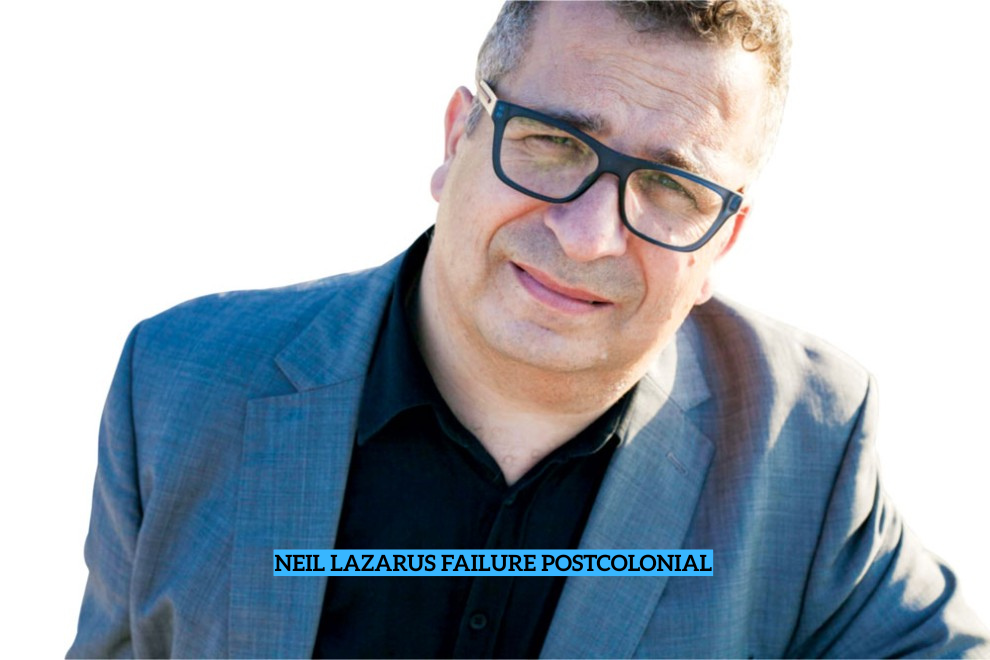
The phrase neil lazarus failure postcolonial has become a popular search term among students, researchers, and readers interested in literary criticism and postcolonial studies. Many people want to understand why Neil Lazarus challenged some of the most influential ideas in postcolonial theory and what his arguments mean for modern scholarship. Rather than referring to a personal failure, neil lazarus failure postcolonial describes his criticism of the limits he believes exist within mainstream postcolonial theory.
Neil Lazarus is widely respected as a literary scholar whose work has shaped debates about colonialism, world literature, and cultural criticism. His books and research encourage readers to think beyond cultural identity alone and to consider history, economics, and political power when studying colonial and postcolonial societies.
Who Is Neil Lazarus?
Neil Lazarus is a South African-born British literary scholar who has built an international reputation through his academic work. Born in 1953, he is approximately 73 years old as of 2026. Throughout his career, he has focused on postcolonial literature, comparative literature, Marxist criticism, and world literature.
For many years, Lazarus served as a professor of English and Comparative Literary Studies at the University of Warwick in the United Kingdom. His teaching and research have influenced students, academics, and literary critics across the world.
Unlike celebrities, Neil Lazarus keeps his private life away from public attention. Most available information about him relates to his academic achievements rather than his personal life.
Understanding Neil Lazarus Failure Postcolonial
When readers search for neil lazarus failure postcolonial, they are usually looking for his critique of postcolonial theory rather than information about a failed project or personal setback.
Lazarus argues that many postcolonial scholars have concentrated too heavily on issues such as identity, language, and cultural representation. While these subjects are important, he believes they should not replace discussions about capitalism, class, labor, and the economic foundations of colonialism.
According to Lazarus, colonial rule was deeply connected with economic expansion and global capitalism. Because of this, he believes literary criticism should examine both cultural and material conditions instead of focusing only on symbolic or textual interpretations.
| Field | Details |
|---|---|
| Full Name | Neil Lazarus |
| Birth Year | 1953 |
| Age | Approximately 73 years (as of 2026) |
| Birthplace | South Africa |
| Nationality | British |
| Profession | Literary Scholar, Author, Professor |
| Known For | Postcolonial Theory and World Literature |
| Education | Publicly available details are limited |
| Former Position | Professor of English and Comparative Literary Studies, University of Warwick |
| Height | Not publicly disclosed |
| Family | Not publicly disclosed |
| Siblings | Not publicly disclosed |
| Marital Status | Not publicly disclosed |
| Children | Not publicly disclosed |
| Net Worth | Not publicly disclosed |
| Social Media | No verified public accounts |
| Notable Works | The Postcolonial Unconscious, Resistance in Postcolonial African Fiction, Nationalism and Cultural Practice in the Postcolonial World |
Major Books and Academic Contributions
Readers exploring neil lazarus failure postcolonial often discover that his arguments are presented most clearly in his books and scholarly essays.
One of his earliest major works, Resistance in Postcolonial African Fiction, examined African novels through political and historical perspectives. Later, Nationalism and Cultural Practice in the Postcolonial World explored how nationalism developed after colonial rule.
His most influential publication is The Postcolonial Unconscious. In this book, Lazarus argues that postcolonial studies should reconnect with global history, capitalism, and material conditions. The work has become an essential reference for students studying literary theory and postcolonial criticism.
He has also edited respected collections on world literature and postcolonial studies, helping introduce new academic voices and perspectives.
Academic Career and Recognition
Neil Lazarus has enjoyed a distinguished academic career spanning several decades. His research has been published in respected journals and university presses, making him one of the leading scholars in literary criticism.
His appointment at the University of Warwick allowed him to teach generations of students while producing influential research on colonial history and literature. His publications are regularly cited by scholars working in postcolonial theory, comparative literature, and cultural studies.
In 2014, he was elected a Fellow of the British Academy, one of the highest academic honors in the humanities. This recognition reflects the importance of his contributions to literary scholarship.

Personal Profile
Many readers looking for neil lazarus failure postcolonial are also interested in his personal background. However, only limited verified information is publicly available.
Neil Lazarus was born in South Africa before establishing his academic career in Britain. His exact birth date has not been publicly disclosed. Likewise, there are no confirmed public records about his parents, siblings, wife, or children.
His height has never been officially reported, and there is no verified information regarding his physical measurements or personal lifestyle beyond his academic activities.
Similarly, there is no reliable estimate of his net worth. His professional income would mainly come from university teaching, research, speaking engagements, and royalties from academic publications, but no verified figures have been released publicly.
Physical Appearance and Lifestyle
Although photographs of Neil Lazarus are available through university websites and academic publishers, he is known primarily as a scholar rather than a public personality.
His appearance is typically professional, reflecting his role as a university professor, lecturer, and researcher. He is often seen wearing formal or business attire during academic conferences and educational events.
His lifestyle appears to revolve around research, writing, teaching, and scholarly discussion. Rather than seeking media attention, he has dedicated his career to producing thoughtful academic work that continues to influence literary criticism.
Social Media Presence
People searching for neil lazarus failure postcolonial often wonder whether the scholar maintains public social media accounts.
At present, there are no verified profiles for Neil Lazarus on Instagram, Facebook, X (formerly Twitter), TikTok, or other major social media platforms. Instead, his work is primarily available through university websites, academic publishers, online journals, and library databases.
Readers interested in his research are encouraged to consult his published books and peer-reviewed articles rather than unofficial online profiles.
Why His Ideas Continue to Matter
The discussion surrounding neil lazarus failure postcolonial remains important because it challenges readers to think critically about how colonialism should be studied today.
Lazarus reminds scholars that colonialism involved economic systems, political structures, and global inequalities in addition to cultural identity. His research encourages a broader understanding of history and literature by connecting literary texts with the material conditions in which they were produced.
His arguments have inspired fresh debates within universities and continue to influence new generations of students studying postcolonial theory, world literature, and cultural criticism.
Conclusion
The phrase neil lazarus failure postcolonial does not describe a failure in Neil Lazarus’s career. Instead, it refers to his thoughtful criticism of the limitations he sees within mainstream postcolonial theory. By emphasizing the importance of capitalism, class, and historical context, he has expanded discussions about how literature should be interpreted.
Although many personal details about Neil Lazarus remain private, his academic achievements are well documented. His influential books, respected teaching career, and lasting contributions to literary criticism have earned him international recognition. For anyone seeking to understand neil lazarus failure postcolonial, exploring his published research offers valuable insight into one of the most significant debates in contemporary postcolonial studies.