The Marquess of Queensberry is one of Scotland’s most historically significant noble titles. Its story reaches back more than three centuries and is closely linked to Scottish aristocratic tradition, the Douglas family, and the development of modern boxing. While many people know the name because of the Marquess of Queensberry Rules, the title itself has a much wider cultural and historical importance.
Today, the title is held by David Douglas, who represents the modern face of this long-standing peerage. Over time, the role has changed from one of direct political and territorial influence to a more symbolic and historical position, reflecting the broader evolution of the British nobility.
Origins of the Title
The Marquess of Queensberry was created in 1682 in the Peerage of Scotland for William Douglas. At that time, noble families played a major role in land ownership, military leadership, and support for the monarchy. The Douglas family was already one of the most powerful and respected families in Scotland, so the creation of the title further strengthened its standing.
As the centuries passed, the title remained within the family and survived major political changes, including the union of Scotland and England and the gradual decline of feudal power. Even as the practical authority of the nobility changed, the title continued to represent continuity, heritage, and tradition.
Sporting Legacy and the Queensberry Rules
The Marquess of Queensberry became internationally famous in the 19th century because of its connection to boxing. The 9th holder of the title, John Sholto Douglas, supported a set of rules that helped shape the modern sport.
These Marquess of Queensberry Rules introduced structure and discipline to boxing. They established timed rounds, required the use of gloves, and created standardized conditions for competition. Before these rules, boxing was often rough and loosely organized. The new system made the sport safer, more professional, and more widely accepted.
Because of this contribution, the Marquess of Queensberry is still recognized around the world, even by people who know little about Scottish nobility. Its sporting legacy remains one of the most enduring parts of its history.
Bio Table – Marquess of Queensberry
| Category | Details |
|---|---|
| Title | Marquess of Queensberry |
| Country | Scotland, United Kingdom |
| Created | 1682 (Peerage of Scotland) |
| Current Holder | David Douglas |
| Born | 1929 |
| Age (2026) | ~96–97 years |
| Family House | Douglas Family |
| Famous Ancestor | John Sholto Douglas |
| Known For | Queensberry Rules of Boxing |
| Profession | Ceramic artist, educator |
| Height | Not publicly available |
| Net Worth | Not publicly disclosed |
| Siblings | Not widely documented |
| Children | Yes (including heir Sholto Douglas) |
| Heir | Sholto Douglas (Viscount Drumlanrig) |
| Lifestyle | Private, artistic, educational focus |
| Social Media | No verified accounts |
The Modern Holder of the Title
The Marquess of Queensberry is now held by David Douglas. Born in 1929, he belongs to a generation that lived through World War II, post-war recovery, and the rapid modernization of British society. His life reflects a transition between older aristocratic traditions and modern personal achievement.
Unlike earlier generations of nobles who were mainly involved in land management and political influence, David Douglas built a career centered on creativity and education. This shift shows how hereditary titles have become more symbolic in modern times, with personal accomplishment often taking precedence over inherited status.
Family Background and Lineage
The Douglas family has a long and respected history in Scotland, and the Marquess of Queensberry title has remained central to that identity. For centuries, members of the family have been associated with leadership, military service, and public influence. Their name is deeply woven into Scottish history.
The current heir to the title is Sholto Douglas, who continues the family line. This continuation highlights the lasting nature of hereditary titles, even in a society where such positions no longer carry formal political power. Family history remains central to the identity of the title and helps explain its continued relevance.
Age, Appearance, and Personal Life
As of 2026, David Douglas is approximately 96 years old, making him one of the older living members of the British aristocracy. Exact details about his height or other physical measurements are not publicly documented.
He is generally described as dignified and refined in appearance. Photographs show a composed man with a classic style and calm presence, reflecting both age and heritage. His personal life has remained relatively private, which is common among members of traditional aristocratic families.
Education, Career, and Artistic Work
One of the most notable aspects of his life is his career outside the title. Rather than relying only on inherited status, David Douglas developed a respected professional life in ceramics and design. His work has been recognized in galleries and educational institutions across the United Kingdom.
He also worked as an educator, sharing his knowledge with students and helping develop new talent in the field of design. This combination of artistic practice and teaching sets him apart from many traditional aristocrats, whose lives were often centered on estates or ceremonial duties.
Public Attention and Life Events
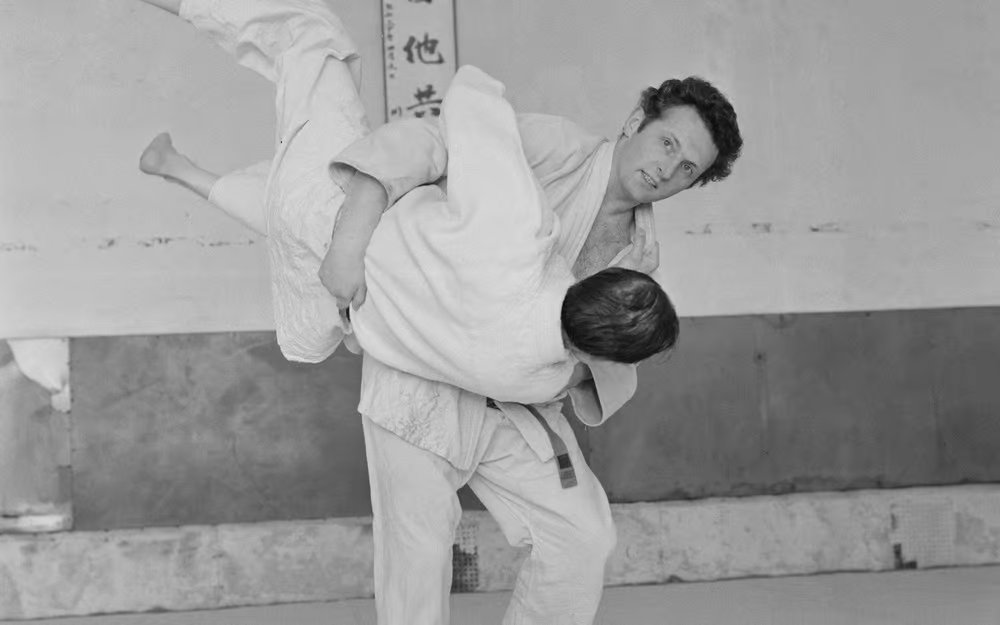
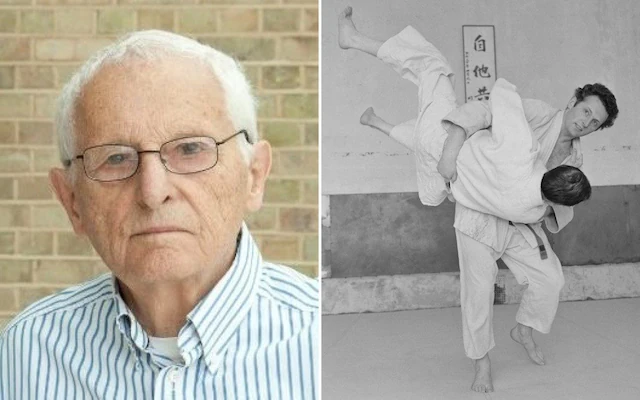
In recent years, David Douglas attracted media attention after reports that he defended himself during an attempted street robbery. According to news coverage, he used self-defense techniques learned earlier in life to protect himself successfully.
The incident drew public interest because of his age and the calm way he responded under pressure. It also highlighted his independence and resilience, qualities not often associated with someone in his nineties.
Lifestyle and Daily Living
The lifestyle associated with aristocratic titles has changed greatly over time. In earlier centuries, holders of such titles often managed large estates and held political influence. Today, the role is much more private and personal.
David Douglas is known for living quietly, with a focus on art, education, and family life. Rather than seeking public attention, he has preferred a reserved and thoughtful way of living. This reflects the broader transformation of aristocratic life in the modern era.
Financial Status and Net Worth
There is no verified public information about his personal net worth. Although some online sources offer estimates, these are not based on official financial records and should be treated as speculative.
A noble title does not automatically mean wealth. Financial status today depends on personal careers, investments, and family assets. The Douglas family has great historical importance, but that does not necessarily translate into measurable wealth.
Social Media Presence
There is no confirmed social media presence associated with David Douglas. He does not appear to maintain accounts on platforms such as Instagram, Facebook, or X.
This absence reflects a preference for privacy, which is common among older generations and members of traditional aristocracy. Most information about his life comes from historical records, interviews, and reputable news sources rather than digital platforms.
Historical Importance and Legacy
The legacy of the Marquess of Queensberry extends far beyond one person. It represents centuries of Scottish history, aristocratic tradition, and cultural influence.
Its most lasting contribution is its connection to modern boxing through the Marquess of Queensberry Rules, which continue to shape the sport today. Beyond sports, the title also symbolizes how noble institutions adapt over time while preserving historical meaning.
Conclusion
The story of the Marquess of Queensberry combines history, culture, and personal achievement. From its origins in 17th-century Scotland to its modern representation through David Douglas, the Marquess of Queensberry reflects both continuity and change.
It remains a symbol of Scottish heritage and a reminder that individuals within traditional families can contribute meaningfully to art, education, and society. Its legacy continues to connect the past with the present in a lasting way.