Introduction to Dormouse Has a Cold
The story of “dormouse has a cold” is often searched by readers who are looking for details about a charming children’s book and the small woodland animal called a dormouse. At first glance, it may sound like a simple tale about a sick animal, but it actually connects deeper themes of nature, seasonal change, and children’s learning through storytelling.
In many online searches, “dormouse has a cold” is treated as if it refers to a character with personal details like age, family, or lifestyle. However, it is important to understand that “dormouse has a cold” is not a real-life biography of a person. Instead, it is part of a children’s illustrated storytelling world where animals behave like friendly characters.
The book belongs to soft illustrated children’s literature that helps early learners understand emotions and care through animals. The idea of “dormouse has a cold” is used to show how sickness and recovery can be explained in a gentle and child-friendly way.
What Dormouse Has a Cold Really Means
The phrase “dormouse has a cold” represents a simple fictional situation where a small dormouse becomes unwell. It is not based on any real individual or real-life biography. Instead, it is used in storytelling to explain feelings like tiredness, discomfort, and recovery.
In the context of “dormouse has a cold”, there is no real age, height, family, or personal background attached to the character. These are human traits that do not apply to fictional animal stories in children’s books.
The story helps children understand that illness is normal and temporary. Through “dormouse has a cold”, young readers learn empathy and kindness when someone is not feeling well.
The Real Dormouse in Nature
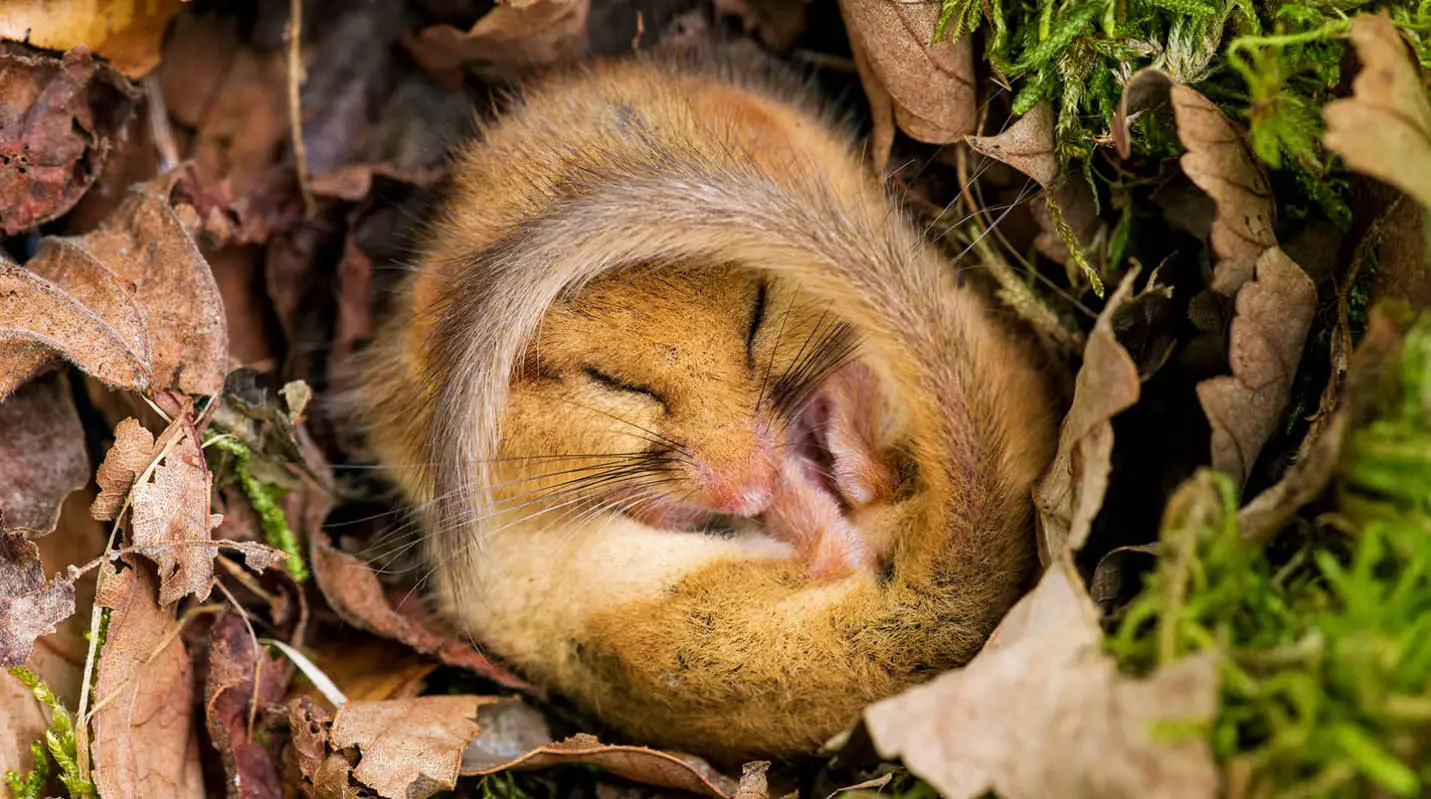
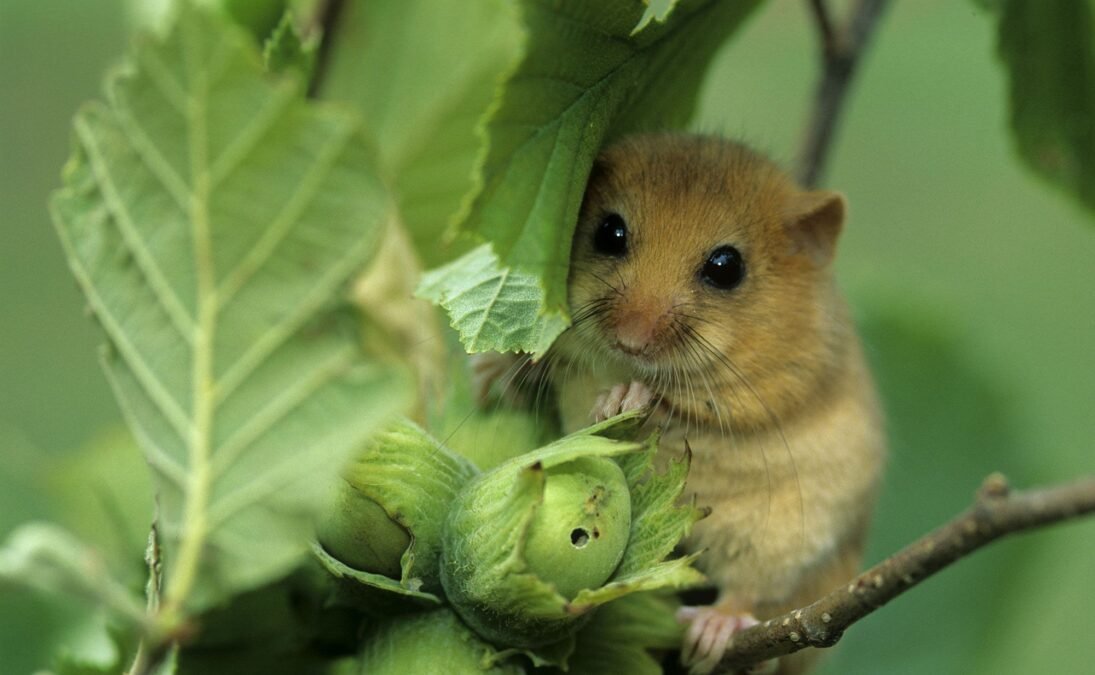
To understand “dormouse has a cold” more deeply, it is useful to look at the real dormouse. A dormouse is a small nocturnal rodent found mainly in Europe. It is known for its long hibernation periods and quiet forest lifestyle.
Dormice spend most of their time sleeping or resting in nests made of leaves and grass. They eat fruits, nuts, and insects when active. During winter, they enter deep hibernation, which can last several months.
This natural behavior is often why stories like “dormouse has a cold” feel realistic to children, because dormice already live a slow and quiet life closely connected to seasonal changes.
| Category | Details |
|---|---|
| Name | Dormouse Has a Cold |
| Type | Fictional children’s story character |
| Origin | Children’s illustrated storytelling / Acorn Wood style books |
| Nature | Small woodland dormouse character |
| Role in Story | A sick dormouse who learns rest and care |
| Age | Not applicable (fictional character) |
| Height | Not defined |
| Family | Not mentioned in story |
| Lifestyle | Calm forest life, resting and recovering during illness |
| Net Worth | Not applicable |
| Social Media | None (fictional character) |
| Main Theme | Care, kindness, illness recovery, friendship |
| Real Basis | Inspired by real dormouse animal behavior |
Story Meaning and Emotional Lesson
The emotional heart of “dormouse has a cold” is care and support. In many children’s versions of the story, the dormouse feels weak, sneezes, and needs rest. Other forest animals help by bringing warmth, food, or comfort.
This type of storytelling teaches children important emotional lessons. Through “dormouse has a cold”, they learn how kindness helps others feel better and how illness is something everyone can experience.
The story also builds understanding of responsibility and empathy in early childhood development.
Why Children Connect With This Story
One reason “dormouse has a cold” is popular is because children can easily relate to it. Most children have experienced a cold or illness, so they understand the feelings shown in the story.
Illustrated animal characters make the story less scary and more comforting. In “dormouse has a cold”, the small dormouse represents vulnerability, which helps children express emotions safely.
Simple language, repetition, and gentle illustrations make the story suitable for bedtime reading and classroom storytelling.
Physical Appearance and Character Details
In “dormouse has a cold”, the dormouse is usually illustrated as a small, soft, and round animal with expressive eyes. It looks cozy and gentle, especially when it is resting or feeling unwell.
However, there are no real-world details such as age, height, weight, or biography. The character is purely fictional and created for educational storytelling purposes.
Similarly, “dormouse has a cold” does not have net worth, social media accounts, or family background. These are only applicable to real public figures, not children’s book characters.
Educational Importance of the Story
The story of “dormouse has a cold” is often used in early education to teach health awareness and emotional intelligence. Children learn about rest, hygiene, and recovery in a simple and gentle way.
Teachers and parents use “dormouse has a cold” to explain how sickness works and why care is important. It also encourages children to show kindness when others are not feeling well.
This makes the story both educational and emotionally meaningful for young readers.
Nature and Seasonal Connection
The dormouse is strongly connected to seasonal changes, especially winter. In real life, dormice prepare for cold weather by eating more food and then hibernating for long periods.
This natural rhythm connects closely with the theme of “dormouse has a cold”, where cold weather and rest become important parts of the story.
Children also learn how weather affects health and behavior in both animals and humans.
Common Confusion About Dormouse Has a Cold
Many people searching for “dormouse has a cold” mistakenly expect celebrity-like details such as age, lifestyle, or online presence. However, this is incorrect.
Since “dormouse has a cold” is not a real person, it does not include:
- Age
- Height
- Family details
- Net worth
- Social media accounts
These details only apply to real individuals, not fictional characters in children’s literature.
Final Conclusion
In conclusion, “dormouse has a cold” is a gentle children’s story concept that uses a small woodland animal to teach emotional and life lessons. It combines nature, kindness, and health awareness in a simple and engaging way.
While it may sound like a personal profile at first, “dormouse has a cold” is purely fictional and does not contain real-world biography details. Instead, its value lies in helping children understand care, illness, and empathy through storytelling.
The story continues to be meaningful because it connects nature with human emotions in a way that young readers can easily understand.