Introduction to the Riverside Setting
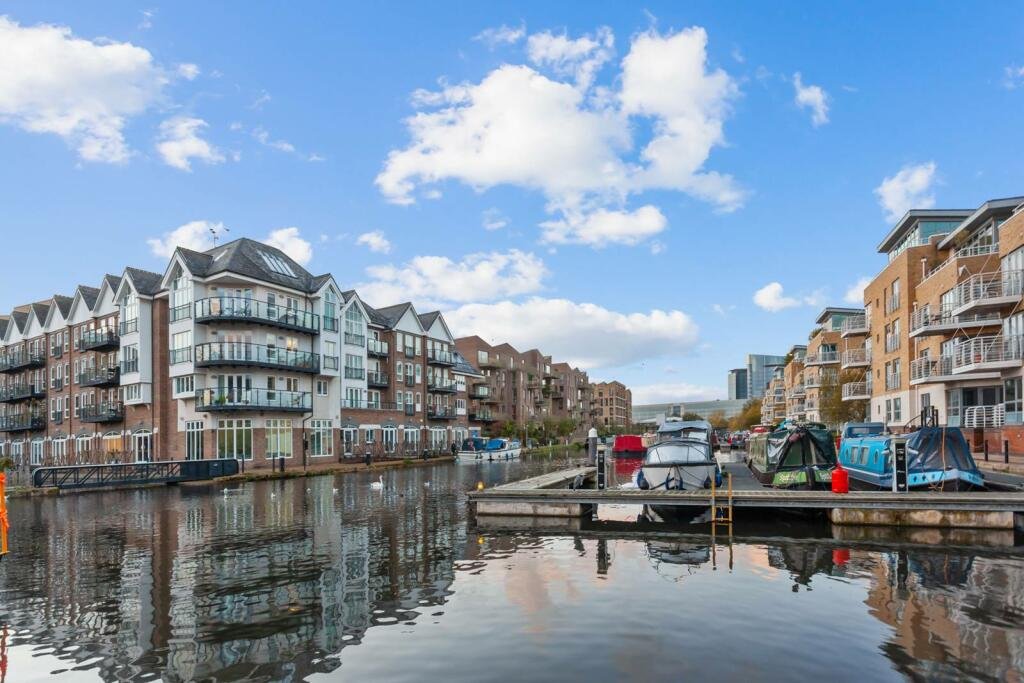
Durham Wharf Brentford is a riverside residential pocket located in West London, forming part of the broader Brentford waterfront regeneration area. Positioned near the River Brent and the Grand Union Canal, it represents a modern shift in urban living where former industrial land has been transformed into contemporary housing.
This part of Brentford has gained recognition due to its peaceful waterside atmosphere combined with strong transport connectivity. Over the years, Durham Wharf Brentford has become associated with apartment living, canal-side walkways, and regeneration-driven development that reshapes the identity of West London’s old docklands.
The appeal of this area lies in its balance. It offers a quieter residential experience while still being closely linked to busy commercial hubs like Chiswick, Ealing, and Central London.
Industrial Roots and Early Landscape
Before its transformation, the land surrounding Durham Wharf Brentford was heavily influenced by Brentford’s industrial and maritime activity. The River Brent and nearby canals once served as vital transport routes for goods moving across London and beyond.
Warehouses, small factories, and dock-related structures dominated the landscape. These spaces supported trade and logistics throughout the 18th, 19th, and early 20th centuries, making Brentford an important working river town.
As industrial activity declined in the late 20th century, many of these waterfront sites became underused. This period of transition created the opportunity for redevelopment, eventually leading to the modern residential environment seen today.
| Category | Details |
|---|---|
| Name | Durham Wharf Brentford |
| Location | Brentford, West London, England |
| Area Type | Residential waterfront development |
| Nearby Water | River Brent, Grand Union Canal |
| Borough | London Borough of Hounslow |
| Postcode | TW8 (various sectors) |
| Development Type | Modern apartments / mixed-use regeneration |
| Architecture Style | Contemporary residential blocks |
| Key Feature | Canal-side living and regeneration zone |
| Transport | Brentford Station, A4/M4 access |
| Lifestyle | Quiet, urban, commuter-friendly |
Regeneration and Urban Transformation
The redevelopment of Durham Wharf Brentford is part of a wider regeneration movement that reshaped much of Brentford’s waterfront. Over several decades, old dockyards and industrial buildings were replaced with residential blocks, landscaped walkways, and mixed-use developments.
This transformation reflects a broader London trend where waterfront areas are reimagined for modern city living. The focus shifted from industrial utility to residential comfort, design quality, and public accessibility.
In this context, Durham Wharf Brentford stands as a symbol of how urban planning can re-purpose forgotten industrial land into livable, connected communities without fully losing its historical foundation.
Architecture and Residential Character
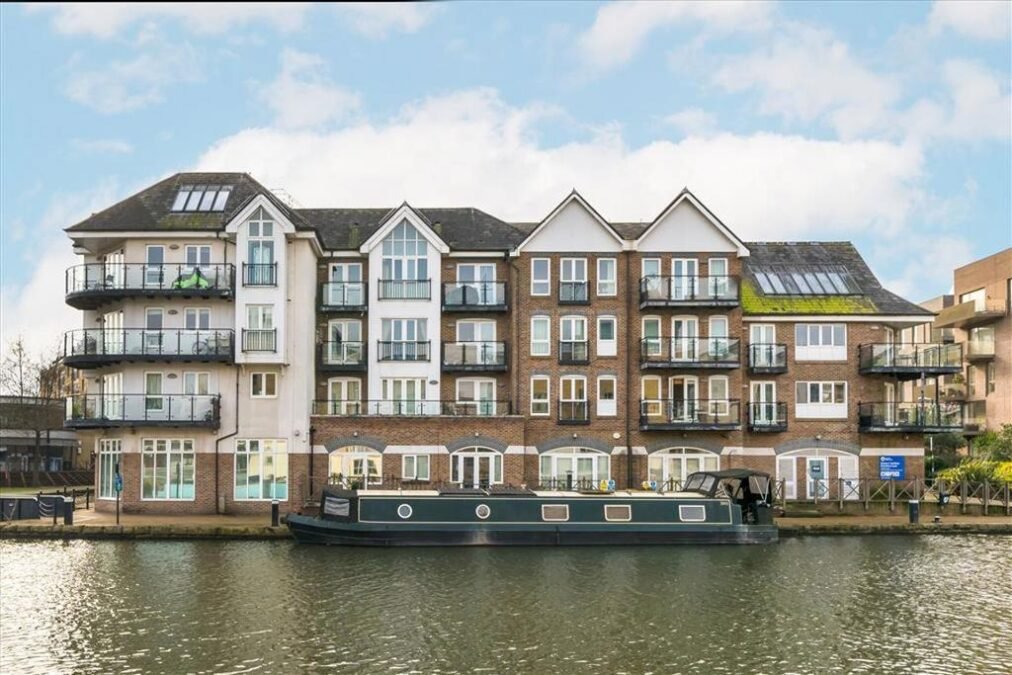
The architecture in and around Durham Wharf Brentford is mostly contemporary, consisting of mid-rise apartment buildings designed with functionality and modern urban living in mind. Glass balconies, clean lines, and light-filled interiors are common design features.
Many of the residential buildings aim to maximize natural light and, where possible, offer views of the canal or nearby waterways. The result is a visually open environment that contrasts sharply with the dense industrial past of the area.
Unlike historic districts with uniform architectural styles, Durham Wharf Brentford reflects multiple phases of development. This creates a layered visual identity, where older regeneration projects sit alongside newer residential additions.
Connectivity and Transport Links
One of the strongest advantages of Durham Wharf Brentford is its excellent connectivity. The area is well-positioned for both local and long-distance travel, making it attractive for working professionals.
Brentford railway station provides direct routes toward London Waterloo, while major roads like the A4 and M4 connect residents to Central London, Heathrow Airport, and surrounding West London districts.
Bus routes further enhance accessibility, linking the area to nearby commercial and residential hubs. This transport advantage has played a major role in increasing demand for housing in Durham Wharf Brentford, especially among commuters seeking a balance between affordability, convenience, and lifestyle.
Lifestyle and Everyday Environment
Life in Durham Wharf Brentford is shaped by its waterfront setting and residential focus. The presence of canals, walking paths, and nearby green corridors creates a calm environment that feels removed from the intensity of central London.
Residents often benefit from local cafes, small shops, and nearby retail centers in Brentford and surrounding areas. While the immediate surroundings are not heavily commercialized, essential amenities are within short distance.
The lifestyle here is often described as practical and balanced. It suits individuals who prefer a quieter home environment but still want quick access to London’s employment and entertainment hubs.
Property Market and Investment Outlook
From a property perspective, Durham Wharf Brentford sits within a strong West London real estate corridor. The area is dominated by leasehold apartments, many of which were developed during different phases of regeneration.
Property values tend to vary depending on factors such as building age, apartment size, and proximity to water views. Waterfront-facing units generally attract higher demand due to their scenic location and limited availability.
Investors are often drawn to the area because of its long-term regeneration potential and steady rental demand. The combination of transport links and modern housing continues to support interest from both buyers and tenants.
Wider Brentford Regeneration Context
To fully understand Durham Wharf Brentford, it is important to look at Brentford’s broader transformation. Over the past few decades, the town has undergone significant redevelopment along its riverside corridors.
Former industrial zones have been replaced with residential communities, improved public spaces, and enhanced infrastructure. Projects around Brentford Lock and the River Thames have helped reposition the area as a growing residential destination in West London.
Within this larger vision, Durham Wharf Brentford represents one part of a continuous urban renewal story that is still unfolding today.
Community Feel and Local Perception
The community atmosphere around Durham Wharf Brentford is shaped by its residential makeup and evolving population. Many residents are professionals, commuters, and long-term tenants attracted by the area’s modern housing and transport convenience.
Public perception is generally positive, especially regarding the peaceful environment and canal-side setting. However, like many regeneration areas, it still experiences ongoing development activity and lacks a traditional high street within immediate walking distance.
Despite these limitations, the area continues to mature. Over time, Durham Wharf Brentford is expected to become more established as community infrastructure expands and surrounding developments are completed.
Identity and Clarification
Unlike a person or public figure, Durham Wharf Brentford does not possess personal attributes such as age, height, family background, net worth, or social media presence. It is a geographical location shaped by architecture, planning, and urban development.
Any searches for personal characteristics relate to misunderstanding the nature of the place. Its identity is rooted in its physical environment, historical evolution, and role within London’s regeneration landscape.
Understanding this helps clarify that Durham Wharf Brentford should be viewed as a living urban space rather than an individual profile.
Conclusion
Durham Wharf Brentford represents a successful example of London’s ongoing waterfront regeneration. Built on former industrial land, it now stands as a modern residential environment that blends water-side calm with strong transport connectivity.
While it may not carry the historical prominence of central London landmarks, its importance lies in its contribution to the city’s evolving residential geography. As regeneration continues across Brentford, this area is likely to remain an important part of West London’s transformation story, reflecting how old industrial zones can be reshaped into contemporary urban communities.