The Great Breweries Marathon has become one of the most distinctive running events in Europe, blending long-distance running with cultural exploration and Belgium’s deep-rooted brewing heritage. Unlike traditional marathons that focus only on competition and timing, this event offers runners a scenic journey through countryside landscapes, historic villages, and world-famous breweries.
Over the years, the Great Breweries Marathon has attracted thousands of international participants who are not only passionate about running but also interested in experiencing Belgium’s iconic beer culture. The event stands out because it transforms a marathon into a festival-like journey, where sport and tradition meet in a refreshing way.
Origin and Concept
The Great Breweries Marathon was first introduced in 2016 in the province of Antwerp, Belgium. The idea behind the event was simple yet innovative: combine endurance running with visits to some of Belgium’s most famous breweries. The concept quickly gained attention because Belgium is globally known for its rich beer-making tradition.
The marathon typically starts and finishes near the Duvel Moortgat Brewery in Puurs-Sint-Amands, a location that symbolizes Belgian brewing excellence. The Great Breweries Marathon was designed not just as a race but as a cultural route that allows participants to experience the heart of Belgium in a very active and engaging way.
From its early editions, the event attracted thousands of runners from over 40 countries. The mix of sport, tourism, and local culture helped it grow into a well-recognized international marathon experience.
Route and Distances
One of the most attractive aspects of the Great Breweries Marathon is its scenic route. Participants run through quiet countryside roads, green fields, small towns, and areas surrounding famous breweries.
The event offers multiple distance categories, including a full marathon of 42.195 km, a 25 km run, and a shorter 17 km route. This allows both professional runners and casual participants to take part according to their fitness levels.
Along the route of the Great Breweries Marathon, runners pass by several iconic Belgian breweries, making the experience both physically demanding and visually rewarding. The natural environment, combined with the cultural stops, creates a marathon atmosphere that feels more like a journey than a competition.
Experience and Atmosphere
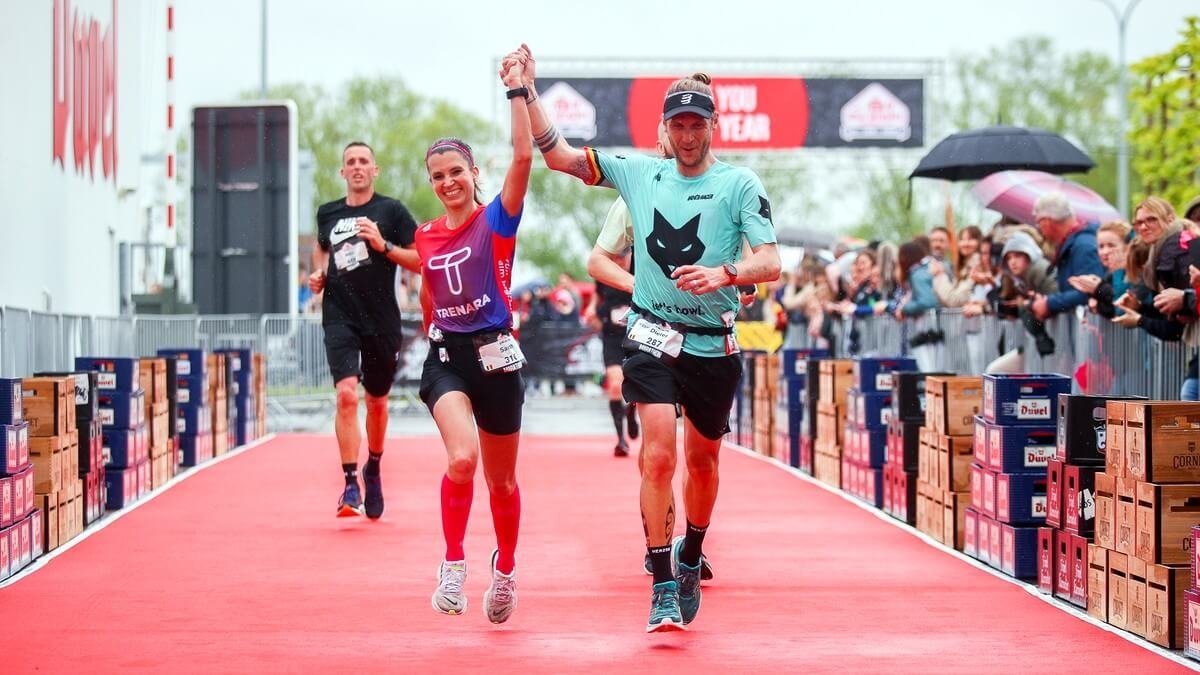
What makes the Great Breweries Marathon special is not just the distance, but the atmosphere throughout the event. Runners are supported by enthusiastic crowds, volunteers, and themed refreshment stations inspired by Belgian beer culture.
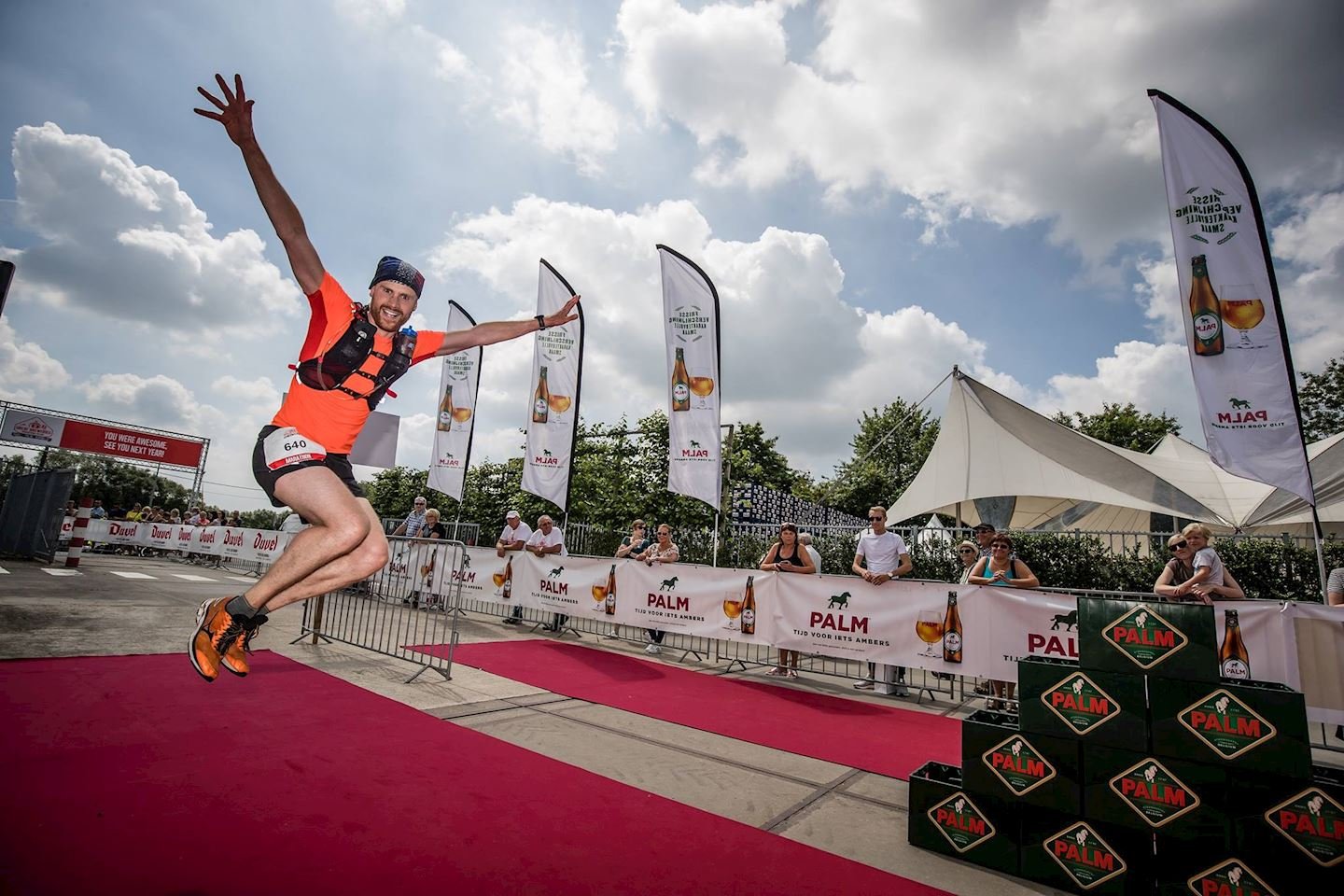
Although it is a sporting event, the marathon includes a festive spirit. Participants often describe the Great Breweries Marathon as a celebration of endurance, friendship, and cultural discovery. The finishing area typically features music, food, and traditional Belgian hospitality.
At the end of the race, runners receive medals, commemorative items, and sometimes gift packages that reflect the brewing heritage of the region. This adds emotional value to the experience and makes it more memorable than a standard marathon.
Participation and Growth
Since its beginning, the Great Breweries Marathon has grown steadily in popularity. Early editions recorded thousands of participants, and the number has continued to increase with each year. The international appeal of Belgium’s beer culture plays a major role in attracting runners from different parts of the world.
The event is not limited to elite athletes. It welcomes amateur runners, walking groups, and fitness enthusiasts. This inclusive approach has helped the Great Breweries Marathon build a strong community around it.
Many participants return every year, not just for the challenge, but for the overall experience of running through one of Europe’s most culturally rich regions.
Training and Preparation
Preparing for the Great Breweries Marathon requires standard marathon training for those attempting the full 42.195 km distance. However, even shorter distances demand good endurance due to the varied terrain and outdoor conditions.
Runners often prepare for months in advance, focusing on stamina, hydration, and pacing. The weather in Belgium can also influence performance, so participants are advised to train in different conditions.
Unlike city marathons with flat, predictable routes, the Great Breweries Marathon offers a mix of rural landscapes, which makes preparation slightly more challenging but also more rewarding.
Misconceptions About Personal Profiles
Some readers mistakenly search for personal details such as age, family background, height, or net worth related to the Great Breweries Marathon. It is important to clarify that this is not a person or celebrity, but a sporting event.
Therefore, details like age, height, family, siblings, net worth, physical appearance, and social media profiles do not apply to the Great Breweries Marathon itself.
However, the event does have official communication channels, including websites and social media pages where updates, registration details, and race results are shared. These platforms are used to connect with participants rather than represent a personal identity.
Cultural Importance
The Great Breweries Marathon is more than a sports competition. It plays an important role in promoting tourism and local culture in Belgium. By passing through brewing regions, the marathon highlights the country’s historical connection to beer production.
Belgium is known worldwide for its brewing traditions, and this event showcases that heritage in a dynamic way. The Great Breweries Marathon encourages visitors to explore local towns, taste regional products, and appreciate the craftsmanship behind Belgian beers.
This cultural integration is one of the reasons the marathon continues to receive international attention and media coverage.
Community and Tourism Impact
Local communities benefit significantly from the Great Breweries Marathon. Hotels, restaurants, and small businesses see increased activity during the event period. Tourists who come for the marathon often extend their stay to explore nearby attractions.
The Great Breweries Marathon also strengthens community engagement, as local volunteers and organizations actively participate in organizing and supporting the race. This creates a sense of pride and shared identity among residents.
In many ways, the marathon serves as both a sporting event and a tourism campaign for the region.
Conclusion
The Great Breweries Marathon continues to stand out as one of the most creative and culturally rich running events in Europe. It successfully combines endurance sports with the charm of Belgian brewing heritage, offering participants an unforgettable experience.
Unlike traditional races focused only on performance, the Great Breweries Marathon emphasizes journey, culture, and community. It welcomes runners of all levels and provides a scenic route that celebrates both nature and tradition.
As the event continues to grow, it remains a powerful example of how sports can connect people, promote tourism, and preserve cultural identity in a meaningful way.
FAQs
Q: What is the Great Breweries Marathon?
A: It is a running event in Belgium that combines marathon running with visits to famous breweries and scenic countryside routes.
Q: Where does the Great Breweries Marathon take place?
A: It takes place in the Antwerp region of Belgium, usually starting near the Duvel Moortgat Brewery.
Q: What distances are available in the Great Breweries Marathon?
A: Participants can choose from different distances, including a full marathon (42.195 km), 25 km, and 17 km routes.
Q: Is the Great Breweries Marathon only for professional runners?
A: No, it is open to both professional athletes and amateur runners or walking participants.
Q: Why is the Great Breweries Marathon popular?
A: It is popular because it combines sport, scenic landscapes, and Belgian beer culture in a unique experience.