Introduction
Warehouses in Nottingham play an important role in supporting the UK’s modern economy. These large industrial buildings are used for storing goods, managing stock, and distributing products across the country. From online shopping deliveries to supermarket supplies, warehouses are part of the hidden system that keeps everyday life running smoothly.
Nottingham, located in the East Midlands, has become one of the strongest logistics locations in the United Kingdom. Its central position, strong motorway connections, and growing industrial estates make it ideal for warehousing and distribution operations. Over time, many national and international companies have chosen Nottingham as a base for their storage and delivery networks.
What is a Warehouse?
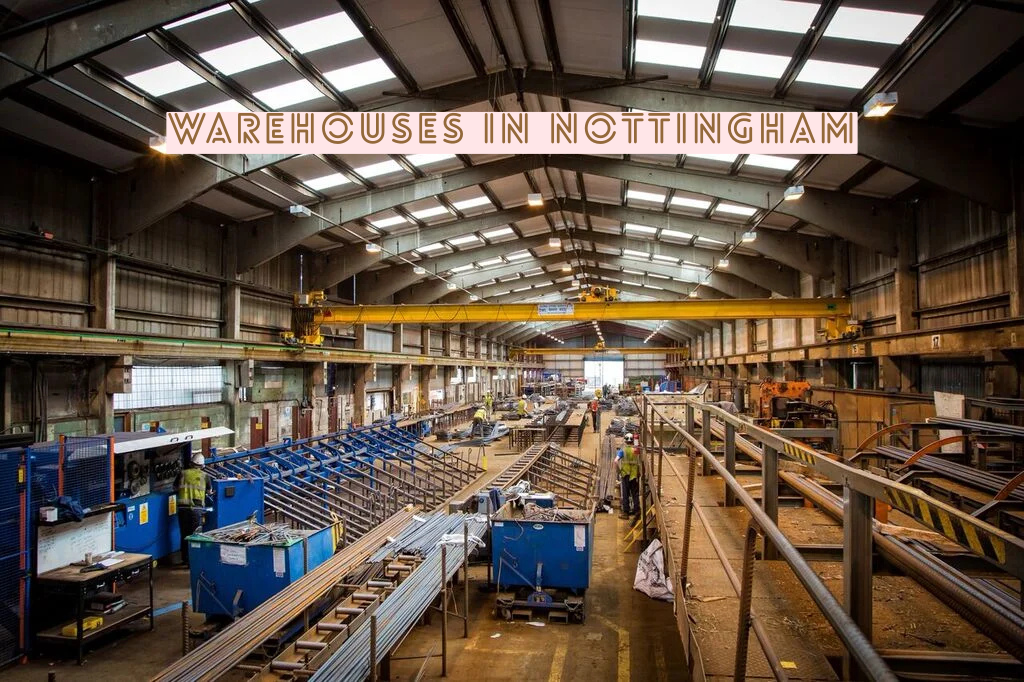
A warehouse is a large building designed for storing goods before they are sold or delivered. It is not just a storage space but a carefully organized system where products are received, checked, sorted, stored, packed, and then shipped to customers or retail stores.
Inside a warehouse, different activities take place continuously. Goods arrive from suppliers, are scanned into inventory systems, and placed in designated storage areas. When orders are placed, items are picked from shelves, packed securely, and loaded onto delivery vehicles. This structured process ensures that products move efficiently from businesses to customers.
Nottingham as a Logistics Hub
Nottingham has grown into a major logistics hub due to its location in the center of England. This gives companies the advantage of reaching most parts of the UK within a few hours of travel time. One of the biggest strengths of the city is its connection to the M1 motorway, which links the North and South of the country.
The surrounding industrial zones, especially in the East Midlands, have attracted major warehousing and distribution companies. Many businesses choose Nottingham because it allows them to reduce delivery times while also keeping operational costs lower compared to cities like London.
| Category | Details |
|---|---|
| Topic | Warehouses in Nottingham |
| Location | Nottingham, United Kingdom |
| Purpose | Storage, packing, and distribution of goods |
| Main Use | E-commerce, retail, food, and logistics |
| Key Feature | Fast delivery due to central UK location |
| Economy Role | Supports jobs and supply chain growth |
| Transport Link | Strong access via M1 motorway |
| Future Trend | Automation and smart logistics systems |
Types of Warehouses in Nottingham
Warehouses in Nottingham serve different industries and purposes, depending on the type of goods being handled. Some are designed for fast-moving retail products, while others focus on temperature-sensitive or industrial materials.
Distribution warehouses are among the most common. These facilities store goods temporarily before sending them to shops or customers across the UK. E-commerce fulfillment centers have also grown rapidly in recent years, especially due to the rise of online shopping. These warehouses focus on picking, packing, and shipping individual customer orders quickly and accurately.
Cold storage warehouses are another important type. These are specially designed to store frozen food, dairy products, and medicines under controlled temperatures. Industrial storage warehouses, on the other hand, are used by manufacturing companies to keep raw materials, tools, and machinery safe until needed.
How Warehouses Operate
The operation of a warehouse follows a structured and highly organized system. When goods arrive, they are first checked for quality and then recorded into a digital inventory system. After this, they are placed into specific storage areas based on size, category, or demand frequency.
When a customer order is received, warehouse staff locate the required items, collect them from storage, and prepare them for packaging. The items are then packed securely to prevent damage during transport. Finally, delivery trucks collect the packages and distribute them to customers or retail stores.
Modern warehouses in Nottingham also rely heavily on technology. Barcode scanning systems, automated sorting machines, warehouse management software, and real-time tracking tools help improve accuracy and speed while reducing human error.
Importance of Warehouses in Nottingham Economy
Warehouses contribute significantly to Nottingham’s economy by supporting trade, employment, and business growth. Many national and international companies operate warehouses in the region, creating a strong industrial base.
These facilities support multiple sectors including retail, manufacturing, food supply chains, and online shopping platforms. By serving as central distribution points, warehouses help businesses reduce transportation costs and improve delivery speed across the UK.
The presence of warehouses also attracts investment into the region, which further strengthens Nottingham’s position as a key logistics hub.
Job Opportunities in Warehousing
Warehousing provides a wide range of job opportunities for people with different levels of experience. Many roles do not require advanced qualifications, making them accessible for entry-level workers.
Common positions include warehouse operatives who handle picking and packing tasks, forklift drivers who manage heavy goods, and inventory controllers who track stock levels. More experienced roles include logistics coordinators and warehouse managers who oversee daily operations and supply chain planning.
Many warehouses operate in shifts, often running 24 hours a day to meet high demand. This creates flexible job options but also requires workers to adapt to changing schedules.
Technology in Modern Warehouses
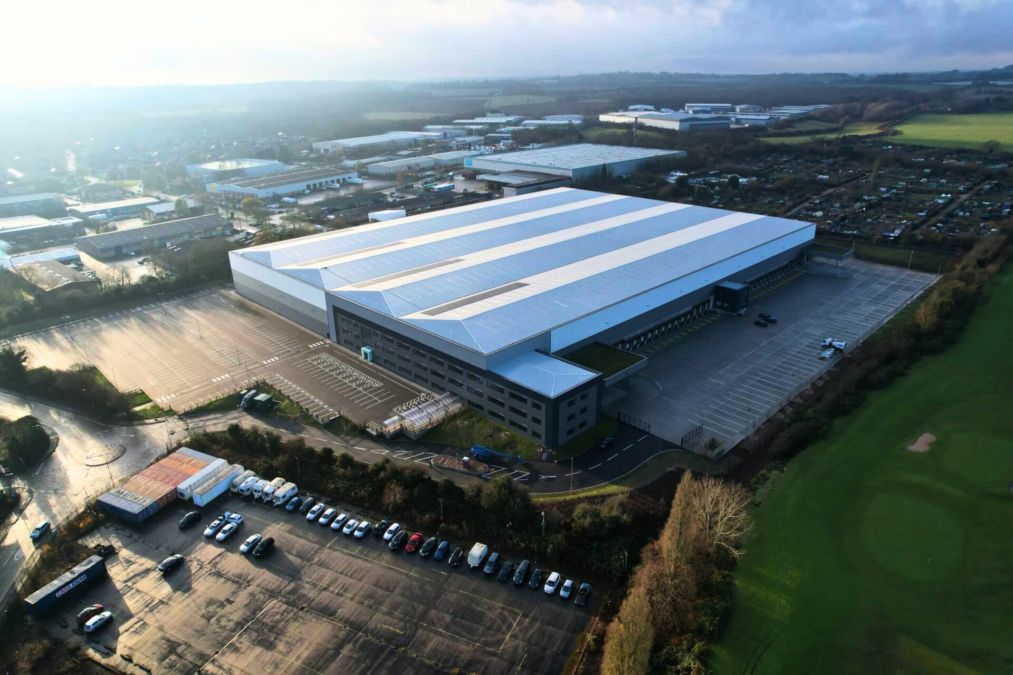
Modern warehouses in Nottingham are becoming increasingly advanced due to the use of technology and automation. Many facilities now use robotic systems to move and sort goods more efficiently than manual labor alone.
Warehouse management systems help track inventory in real time, ensuring accurate stock control and reducing errors. Artificial intelligence is also being used in some warehouses to predict customer demand and improve storage planning.
In addition, smart logistics systems help optimize delivery routes, reducing fuel consumption and improving overall efficiency. These technologies are transforming warehousing into a faster, safer, and more reliable industry.
Benefits of Warehouses in Nottingham
Warehouses bring several important benefits to Nottingham and the wider UK economy. One of the biggest advantages is fast delivery. Because of the city’s central location, goods can be distributed quickly to almost any part of the country.
Another benefit is cost efficiency. Warehouse space in Nottingham is generally more affordable than in major cities like London, which allows companies to reduce operational expenses. At the same time, warehouses create thousands of jobs in logistics, transport, and management roles.
The presence of strong warehousing infrastructure also encourages business expansion, as companies can scale their operations more easily from a central location.
Challenges in the Warehousing Industry
Despite its advantages, the warehousing industry also faces several challenges. One major issue is traffic congestion caused by heavy truck movement in industrial areas. This can affect local roads and nearby communities.
Environmental concerns are also becoming more important. Warehouses require large amounts of energy and land, and transportation contributes to carbon emissions. As a result, companies are now under pressure to adopt greener and more sustainable practices.
Another challenge is the increasing demand for space, as the growth of e-commerce continues to push warehouse expansion across the region.
Future of Warehousing in Nottingham
The future of warehousing in Nottingham looks strong and continues to grow with the rise of online shopping and global trade. Many companies are investing in automation and eco-friendly warehouse designs to improve efficiency and reduce environmental impact.
In the coming years, more warehouses are expected to use fully automated systems, electric delivery vehicles, and advanced AI-driven logistics planning. Carbon-neutral warehouse buildings are also likely to become more common as sustainability becomes a key focus.
With these developments, Nottingham is expected to remain one of the UK’s most important logistics and warehousing centers.
Conclusion
Warehouses in Nottingham are an essential part of the modern supply chain system. They support businesses by storing goods, managing inventory, and ensuring fast and efficient delivery across the country. The city’s strong location, transport connections, and industrial growth make it one of the most important logistics hubs in the UK.
As technology continues to evolve and demand for fast delivery increases, warehouses will play an even bigger role in shaping Nottingham’s economy and future development.
FAQs
Q: What are warehouses in Nottingham?
A: Warehouses in Nottingham are large storage buildings where goods are stored, packed, and distributed across the UK.
Q: Why are warehouses in Nottingham important?
A: Warehouses in Nottingham are important because they support fast delivery, trade, and the UK supply chain system.
Q: What industries use warehouses in Nottingham?
A: Warehouses in Nottingham are used by retail, e-commerce, food, manufacturing, and logistics companies.
Q: What jobs are available in warehouses in Nottingham?
A: Warehouses in Nottingham offer jobs like pickers, packers, forklift drivers, and warehouse managers.
Q: Why is Nottingham good for warehouses?
A: Warehouses in Nottingham are successful due to the city’s central UK location and strong transport links like the M1 motorway.